






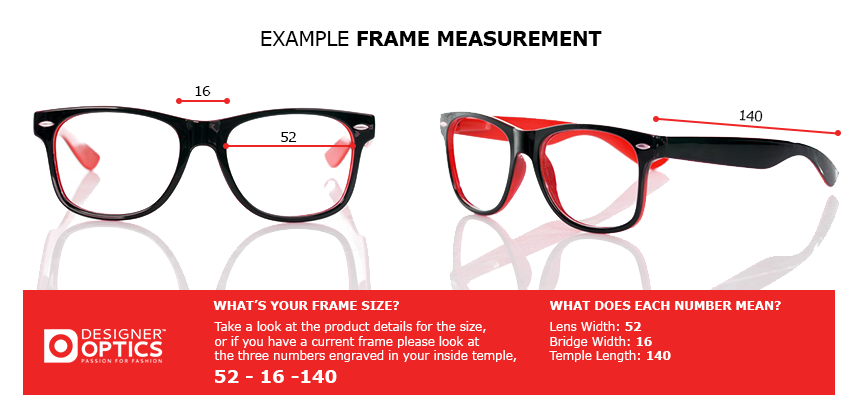


 Product Details
 Color Details
 Size Details
Frequently Asked Questions
Are the Lenton & Rusby LRK2001 frames durable enough for active kids?
Can I add prescription lenses to the Lenton & Rusby LRK2001?
What age range are the LRK2001 frames designed for?
Are acetate frames safe for kids with metal allergies?
How do I get my child to wear their glasses consistently?
What makes Lenton & Rusby different from other budget kids' frames?
Compare With Similar Frames
How the Lenton & Rusby LRK2001 Eyeglasses stacks up against the closest alternatives we carry.


- Same durable acetate construction
- Same affordable price point ($51.88)
- Similar rectangle shape and full-rim design

- Same price point ($51.50)
- Also an Altair Eyewear brand with quality construction
- Prescription-ready for kids

- Premium Ray-Ban brand recognition and heritage
- Durable acetate construction proven over decades
- Iconic styling that kids recognize
Read the full comparison
Lenton & Rusby LRK2001 vs. Similar Kids' Frames
Choosing the right eyeglasses for your child often comes down to balancing durability, style, and budget. Here's how the Lenton & Rusby LRK2001 compares to other popular options in our kids' eyewear collection.
LRK2001 vs. LRK2002: Sibling Models
The Lenton & Rusby LRK2002 is the closest comparison—it's from the same kids collection with identical pricing ($51.88) and the same durable acetate construction. Both feature full-rim rectangle designs ideal for prescription lenses. The main difference is in the color options and potentially slight variations in frame proportions. If your child likes the Lenton & Rusby style but wants different colors, the LRK2002 is worth checking out. Otherwise, you can't go wrong with either model—they're built to the same quality standards.
LRK2001 vs. Otis & Piper 4002: Budget Brand Showdown
The Otis & Piper 4002 ($51.50) is another Altair Eyewear proprietary brand in the same budget-friendly category. Both offer excellent value and durability for active kids. The choice here comes down to style preference and fit—Otis & Piper has a different aesthetic and color palette than Lenton & Rusby. If the LRK2001 colors don't excite your child, the Otis & Piper line is worth exploring as an alternative at the same price point.
LRK2001 vs. Ray-Ban Junior 0RY1535: Budget vs. Premium
The Ray-Ban Kids 0RY1535 ($68.87-$122) represents the premium alternative. Ray-Ban Junior offers iconic brand recognition and proven acetate construction, but you'll pay 30-135% more than the LRK2001. For parents, the question is whether the Ray-Ban name is worth the premium. Both frames use quality acetate and are prescription-ready, but the LRK2001's lower price makes it ideal for backup pairs or for kids who are hard on their glasses. If your child wants the Ray-Ban logo and you don't mind the investment, it's a solid choice—but the LRK2001 delivers comparable durability and function at a fraction of the cost.
Our recommendation: The Lenton & Rusby LRK2001 hits the sweet spot for most families. You get handmade acetate construction, fun colors kids like, and a price that won't break the bank if (when) they need replacing. Save the premium for sunglasses or a special occasion pair, and stock up on affordable, durable everyday frames like the LRK2001.
At a Glance
Lenton & Rusby LRK2002 Eyeglasses
Pros:
- Same durable acetate construction
- Same affordable price point ($51.88)
- Similar rectangle shape and full-rim design
- Part of the same trusted kids collection
Cons:
- Different color options may not appeal to all kids
- Slightly different sizing or proportions
- No significant functional advantage over LRK2001
Otis & Piper 4002 Eyeglasses
Pros:
- Same price point ($51.50)
- Also an Altair Eyewear brand with quality construction
- Prescription-ready for kids
- Comparable durability and value
Cons:
- Different brand aesthetic and color options
- May have different sizing that doesn't fit all kids
- Less established brand recognition than Lenton & Rusby
Ray-Ban Kids 0RY1535 Eyeglasses
Pros:
- Premium Ray-Ban brand recognition and heritage
- Durable acetate construction proven over decades
- Iconic styling that kids recognize
- May have better resale value
Cons:
- Significantly higher price ($68.87-$122 vs $51.88)
- Brand premium doesn't necessarily mean better durability
- May be overkill for kids who lose or break glasses frequently
- Less budget-friendly for backup pairs