












 Product Details
 Color Details
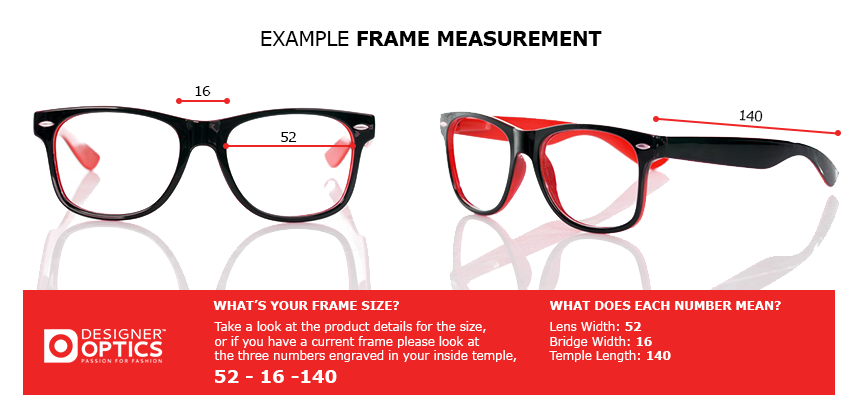
 Size Details
Frequently Asked Questions
Are the Oakley Half Jacket 2.0 XL sunglasses available with prescription lenses?
What is the difference between Half Jacket 2.0 and Half Jacket 2.0 XL?
What is Oakley Prizm lens technology and how does it work?
Will the Half Jacket 2.0 XL fit a large head?
Can I swap lenses on the Half Jacket 2.0 XL?
Do Oakley Half Jacket 2.0 XL lenses provide UV protection?
Compare With Similar Frames
How the Oakley Half Jacket 2.0 Xl 9154 Sunglasses stacks up against the closest alternatives we carry.


- Semi-rimless design provides completely unobstructed lower field of view—ideal for cycling and running where you need to see the road/trail below
- Sharper, more aggressive styling with bold lines that many find more modern and athletic
- Slightly larger overall fit; some users report the Flak feels more secure for high-intensity activities

- Extended vertical lens coverage with taller shield design for maximum eye protection and peripheral vision
- Preferred by professional athletes and serious cyclists for its superior field of view
- Available with the full range of Prizm sport-specific lenses and advanced polarization options

- Lower starting price ($99.15) makes it the most affordable option
- Rectangular full-coverage design provides excellent side protection and a bold, casual style
- Popular among fishermen and water sports enthusiasts; works well for both sport and lifestyle wear
Read the full comparison
Oakley Half Jacket 2.0 XL vs. Flak 2.0 XL vs. Radar EV Path: Which Sport Frame Is Right for You?
Choosing between Oakley's sport performance frames comes down to your specific needs, face shape, and how you'll use them. The Half Jacket 2.0 XL occupies the sweet spot—offering serious performance technology at a more accessible price point with a versatile design that works across multiple sports and everyday wear.
Half Jacket 2.0 XL vs. Flak 2.0 XL: The Classic Rivalry
These two frames are frequently compared because they're so similar in size, technology, and purpose. The key difference is design philosophy. The Flak 2.0 XL features a semi-rimless design with no frame material across the bottom of the lenses, providing an unobstructed lower field of view that cyclists and runners love for seeing the road or trail ahead. The Half Jacket 2.0 XL uses a half-rim design with frame material wrapping the top of the lenses, offering more structural durability for rugged use.
Forum discussions reveal that many users find the Flak 2.0 XL has sharper, more aggressive styling with bold lines, while the Half Jacket 2.0 XL has a sleeker, more organic look with curved lines. Both offer identical lens technology (Prizm, HDO, interchangeable lenses), but the Half Jacket 2.0 XL starts at $97.53 compared to the Flak's $146.66, making it the better value for most athletes. If you prioritize maximum lower peripheral vision and prefer a more modern aesthetic, the Flak 2.0 XL is worth the premium. For versatility, durability, and value, the Half Jacket 2.0 XL wins.
Half Jacket 2.0 XL vs. Radar EV Path: Performance vs. Price
The Radar EV Path is Oakley's flagship sport frame, offering extended vertical coverage with a taller shield design that maximizes your field of view. It's the choice of professional cyclists and elite athletes who demand the absolute best. However, that performance comes at a price—starting at $147.92 and ranging up to $297.00.
The Half Jacket 2.0 XL delivers 90% of the Radar EV's performance at a significantly lower cost. Both feature the same Plutonite lens material with 100% UV protection, HDO optics, and Prizm technology. The Radar EV's advantage is purely in coverage—if you need maximum eye protection and the widest possible field of view, it's worth the investment. For most recreational athletes and everyday users, the Half Jacket 2.0 XL provides all the performance you need with better value and a more universally flattering fit.
Why Choose the Half Jacket 2.0 XL?
The Half Jacket 2.0 XL excels as the versatile all-rounder. It's light enough for running, secure enough for cycling, stylish enough for casual wear, and affordable enough to be your go-to pair. The interchangeable lens system means you can optimize for golf one day and fishing the next. Customer reviews consistently praise the comfortable fit for larger heads, the crystal-clear optics, and the durability that justifies the investment. At under $100 for many configurations, it's the best entry point into Oakley's performance eyewear ecosystem.
At a Glance
Oakley Flak 2.0 XL 9188 Sunglasses
Pros:
- Semi-rimless design provides completely unobstructed lower field of view—ideal for cycling and running where you need to see the road/trail below
- Sharper, more aggressive styling with bold lines that many find more modern and athletic
- Slightly larger overall fit; some users report the Flak feels more secure for high-intensity activities
Cons:
- Higher starting price ($146.66 vs $97.53)
- The semi-rimless design may be less durable for rugged outdoor use compared to the Half Jacket's full-rim construction
- Some users find the fit slightly snugger, which may be less comfortable for extended all-day wear
Oakley Radar EV Path 9208 Sunglasses
Pros:
- Extended vertical lens coverage with taller shield design for maximum eye protection and peripheral vision
- Preferred by professional athletes and serious cyclists for its superior field of view
- Available with the full range of Prizm sport-specific lenses and advanced polarization options
Cons:
- Significantly higher price point ($147.92–$297.00)
- Larger, more aggressive shield design may feel too sporty for casual everyday wear
- The taller lens height may not suit all face shapes as universally as the Half Jacket 2.0 XL
Oakley Gascan 9014 Sunglasses
Pros:
- Lower starting price ($99.15) makes it the most affordable option
- Rectangular full-coverage design provides excellent side protection and a bold, casual style
- Popular among fishermen and water sports enthusiasts; works well for both sport and lifestyle wear
Cons:
- Non-interchangeable lens system—you can't swap lenses for different conditions
- Heavier, more substantial frame compared to the lightweight Half Jacket 2.0 XL
- Less versatile for high-performance sports like cycling or running where weight and ventilation matter