












 Product Details
 Color Details
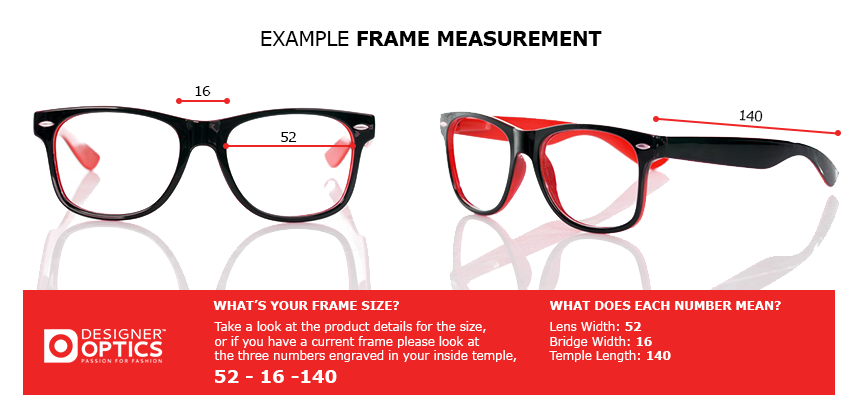
 Size Details
Frequently Asked Questions
Are Ray-Ban Clubmaster RB3016 sunglasses prescription-ready?
What's the difference between the 49mm and 51mm Clubmaster sizes?
Do Ray-Ban Clubmaster sunglasses provide UV protection?
What face shapes look best with Clubmaster sunglasses?
How much do Ray-Ban Clubmaster RB3016 sunglasses weigh?
Can I adjust the fit of my Clubmaster sunglasses?
Compare With Similar Frames
How the Ray-Ban Clubmaster 0RB3016 Sunglasses stacks up against the closest alternatives we carry.


- More intellectual, vintage browline aesthetic vs. Wayfarer's bold plastic look
- Adjustable nose pads for customizable fit (Wayfarers have fixed plastic frames)
- Lighter weight due to mixed acetate/metal construction

- Classic mixed acetate/metal construction offers the original authentic Clubmaster look
- Acetate temples provide more color and pattern options (tortoise, havana, etc.)
- Slightly more affordable price point ($191-$281 vs. $144-$276)

- More structured, intellectual aesthetic vs. Aviator's casual military vibe
- Better for square and heart-shaped faces (Aviators suit round/oval better)
- Browline adds facial definition that teardrops don't provide
Read the full comparison
Ray-Ban Clubmaster RB3016 vs. New Wayfarer vs. Clubmaster Metal
Choosing between Ray-Ban's iconic styles? The Clubmaster RB3016 occupies a unique space in the brand's lineup—more refined than the bold Wayfarer, more intellectual than the military Aviator, and more authentic than its all-metal sibling.
Clubmaster RB3016 vs. New Wayfarer RB2132
This is the classic Ray-Ban dilemma. The Wayfarer offers a fuller, all-acetate frame with a trapezoidal shape that became iconic in the 1980s (think Tom Cruise in Risky Business). It's bold, modern, and provides maximum coverage. The Clubmaster, by contrast, channels 1950s intellectual cool with its distinctive browline—half acetate, half metal. Where the Wayfarer makes a statement through sheer presence, the Clubmaster does it through refined detail.
Fit is a key differentiator. Clubmasters feature adjustable nose pads that let you dial in the perfect fit, while Wayfarers have a fixed plastic bridge that either works for your nose or doesn't. Users with lower nose bridges often prefer the Clubmaster's customizability. Face shape matters too: the Clubmaster's browline flatters heart-shaped and oval faces beautifully, while the Wayfarer's angular lines suit round faces seeking definition.
Weight-wise, the Clubmaster's mixed construction comes in around 35g—lighter than you'd expect but slightly heavier than some full-plastic Wayfarers. If you want a more understated, vintage-intellectual vibe, choose the Clubmaster. If you prefer bold, full-coverage style, go Wayfarer.
Clubmaster RB3016 vs. Clubmaster Metal RB3716
Love the Clubmaster silhouette but can't decide on materials? The RB3016 is the original—the 1986 design that started it all, with acetate upper frames and metal lower rims. The RB3716 Clubmaster Metal takes that same iconic shape and renders it entirely in metal for a sleeker, more contemporary feel.
The RB3016 offers more color variety thanks to its acetate construction—think classic tortoise, havana, and black patterns that add warmth and texture. The all-metal RB3716 skews modern and minimalist, often in solid finishes. Durability is comparable, though metal resists scratches better while acetate can be more easily adjusted for fit.
If you value authenticity and want the original Clubmaster that cultural icons wore, the RB3016 is your frame. It's the one with decades of heritage. The RB3716 is for those who love the shape but prefer a lighter, more streamlined construction.
Clubmaster RB3016 vs. Aviator RB3025
These are Ray-Ban's two heritage heavyweights. The Aviator is the brand's oldest icon (1937), born from military necessity with its teardrop lenses and thin metal frame. The Clubmaster arrived in 1986 as the thinking person's sunglass—less pilot, more poet.
Aesthetically, they couldn't be more different. Aviators are casual, universally recognized, and work with almost any outfit. Clubmasters are more deliberate—they signal vintage taste and intellectual style. Face shape plays a role: Aviators flatter round and oval faces, while Clubmasters add structure to heart-shaped and square faces through the browline.
The Clubmaster sits heavier on the nose (35g on nose pads vs. the Aviator's weight distributed across a thin bridge), but the adjustable pads offer superior fit customization. If you want maximum sun coverage and a timeless military aesthetic, choose the Aviator. If you want a more distinctive, retro-intellectual look that stands out from the crowd, the Clubmaster RB3016 is the smarter choice.
Bottom line: The Clubmaster RB3016 is for those who appreciate eyewear with a story—a frame that references mid-century intellectualism while remaining completely wearable today. It's less common than Wayfarers and Aviators, more adjustable than full-plastic frames, and offers a refined alternative to Ray-Ban's bolder styles.
At a Glance
Ray-Ban New Wayfarer RB2132 Sunglasses
Pros:
- More intellectual, vintage browline aesthetic vs. Wayfarer's bold plastic look
- Adjustable nose pads for customizable fit (Wayfarers have fixed plastic frames)
- Lighter weight due to mixed acetate/metal construction
- Better for heart-shaped and oval faces due to browline structure
Cons:
- Less coverage than the fuller Wayfarer frame
- Browline style is more distinctive and may not suit all personal styles
- Slightly heavier than expected for some users (35g) despite mixed materials
Ray-Ban Clubmaster Metal RB3716 Sunglasses
Pros:
- Classic mixed acetate/metal construction offers the original authentic Clubmaster look
- Acetate temples provide more color and pattern options (tortoise, havana, etc.)
- Slightly more affordable price point ($191-$281 vs. $144-$276)
- The original 1986 design with proven heritage and recognition
Cons:
- Heavier than the all-metal RB3716 version
- Acetate can show wear over time vs. metal's durability
- Less sleek and modern appearance compared to the all-metal construction
Ray-Ban Aviator Large Metal RB3025 Sunglasses
Pros:
- More structured, intellectual aesthetic vs. Aviator's casual military vibe
- Better for square and heart-shaped faces (Aviators suit round/oval better)
- Browline adds facial definition that teardrops don't provide
- Less ubiquitous than Aviators—more distinctive choice
Cons:
- Less coverage and sun protection than large Aviator lenses
- Not as universally recognized or timeless as the Aviator design
- Heavier on the nose (35g) vs. Aviator's weight distribution across nose bridge