











 Product Details
 Color Details
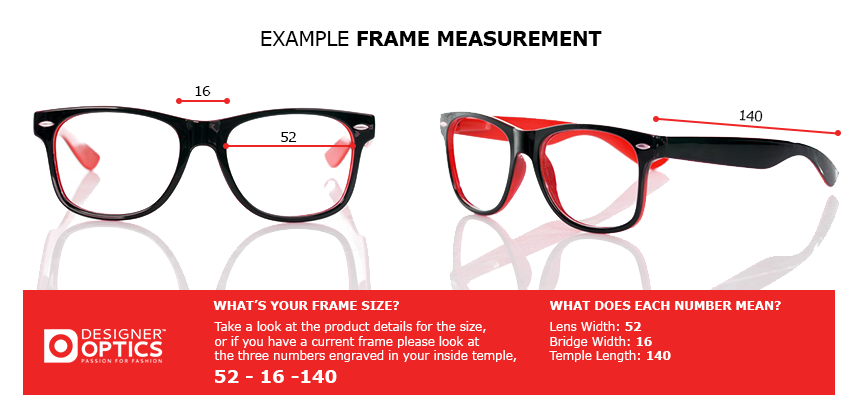
 Size Details
Frequently Asked Questions
Are the Smith Embark sunglasses prescription-ready?
What is ChromaPop lens technology and how does it work?
What are the removable side shields for on the Smith Embark?
What's the difference between ChromaPop Polarized and ChromaPop Glacier Photochromic lenses?
How do the Smith Embark sunglasses fit compared to other Smith glacier glasses?
Can I wear the Smith Embark for activities other than mountaineering?
Compare With Similar Frames
How the Smith Optics Sport u0026 Performance 204617 Embark Sunglasses stacks up against the closest alternatives we carry.


- More compact fit ideal for smaller faces or those who prefer less coverage
- Removable nose piece seals gaps around the nose to prevent cold wind and fogging
- Round flat lens design offers a different aesthetic

- Shield lens design offers maximum coverage and aerodynamics for cycling/running
- Lighter weight and more ventilation for high-output activities
- Interchangeable lens system for varying light conditions

- Maximum coverage shield lens design for ultimate protection
- Optimized for cycling, running, and high-speed sports
- Interchangeable lens options for different conditions
Read the full comparison
Smith Embark vs. Venture vs. Bobcat: Which Smith Sunglasses Are Right for You?
Smith offers several performance sunglasses in the $200-$300 range, each designed for different activities and preferences. Here's how the Embark compares to other popular Smith models in our collection.
Smith Embark vs. Smith Venture: Glacier Glasses Showdown
Both the Embark and Venture are glacier glasses designed for alpine conditions with ChromaPop lenses and removable side shields, but they differ in fit and features. The Embark offers a medium fit with large coverage—it's the middle ground in Smith's glacier lineup, balancing substantial protection with everyday wearability. The square frame design and 58mm lens width work well for medium to larger faces.
The Venture is more compact with a round flat lens design and includes a removable nose piece that seals gaps around your nose to prevent cold wind infiltration and fogging—a feature the Embark doesn't have. This makes the Venture the top choice for extreme cold and technical mountaineering where every seal matters. However, the Embark's less technical appearance makes it more versatile for casual wear when you remove the shields.
Choose the Embark if: You want glacier glasses that can double as everyday sunglasses, prefer a square frame aesthetic, or have a medium to larger face. The Embark's balanced design makes it the most versatile option.
Choose the Venture if: You prioritize maximum sealing for extreme cold, prefer a compact fit, or have a smaller face. The removable nose piece gives the Venture an edge in harsh alpine conditions.
Smith Embark vs. Smith Bobcat: Alpine vs. Sport Performance
The Bobcat represents a completely different approach—it's a shield lens performance sunglasses designed for cycling, running, and high-speed sports rather than alpine use. While both feature ChromaPop lenses in a similar price range, the Bobcat's single-piece shield lens offers maximum aerodynamic coverage and ventilation for high-output activities.
The Embark's advantage is versatility and adaptability. Remove the side shields and you have stylish everyday sunglasses; attach them and you're ready for glacier travel. The Bobcat is purpose-built for sport and doesn't transition well to casual use. The Embark also provides better peripheral protection from wind and glare when the shields are attached.
Choose the Embark if: You need sunglasses for alpine activities, want the option to remove shields for everyday wear, or prefer a traditional frame style over a shield lens.
Choose the Bobcat if: Your primary activities are cycling, running, or other high-speed sports where aerodynamics and ventilation matter more than versatility.
Smith Embark vs. Smith Wildcat: Traditional vs. Aggressive
The Wildcat is Smith's oversized shield performance sunglasses—maximum coverage, aggressive styling, and optimized for cycling and running. It's the opposite end of the spectrum from the Embark's adaptable glacier glasses design.
While the Wildcat offers ultimate coverage for high-speed sports, it's a one-trick pony compared to the Embark. You can't remove parts to make it casual-friendly, and the large shield lens is overkill for most alpine use. The Embark's removable shields, traditional frame construction, and lighter weight (29g) make it far more practical for multi-use scenarios.
Choose the Embark if: You value versatility, need alpine-specific features like removable side shields, or want sunglasses that work for both mountain adventures and everyday life.
Choose the Wildcat if: You're a dedicated cyclist or runner who wants maximum coverage and doesn't care about using the same sunglasses off the bike or trail.
The Bottom Line
The Smith Embark stands out as the most versatile option in this comparison. Its removable side shields, medium fit, ChromaPop lens technology, and lightweight construction make it equally capable on glaciers, trails, and city streets. If you want one pair of sunglasses that can handle serious alpine conditions and still look good at the coffee shop, the Embark is your best bet.
At a Glance
Smith Optics Sport & Performance 206728 Venture Sunglasses
Pros:
- More compact fit ideal for smaller faces or those who prefer less coverage
- Removable nose piece seals gaps around the nose to prevent cold wind and fogging
- Round flat lens design offers a different aesthetic
- Magnetic side shields (on some versions) for easier attachment/removal
Cons:
- Smaller coverage may not provide as much peripheral protection
- Less versatile for everyday wear due to more technical appearance
- May not fit larger faces as comfortably
Smith Optics Sport & Performance 204927 Bobcat Sunglasses
Pros:
- Shield lens design offers maximum coverage and aerodynamics for cycling/running
- Lighter weight and more ventilation for high-output activities
- Interchangeable lens system for varying light conditions
- More aggressive sport aesthetic
Cons:
- No removable side shields—less versatile for casual wear
- Shield lens style is less suitable for everyday use
- Less peripheral protection from wind and glare compared to Embark with shields
- Not designed for extreme cold or alpine conditions
Smith Optics Sport & Performance 201516 Wildcat Sunglasses
Pros:
- Maximum coverage shield lens design for ultimate protection
- Optimized for cycling, running, and high-speed sports
- Interchangeable lens options for different conditions
- Aggressive performance aesthetic
Cons:
- Much larger and more aggressive look—not suitable for casual wear
- Shield lens design can't be adapted like the Embark's removable shields
- Less suitable for alpine/mountaineering use
- Heavier and bulkier than the Embark