












 Product Details
 Color Details
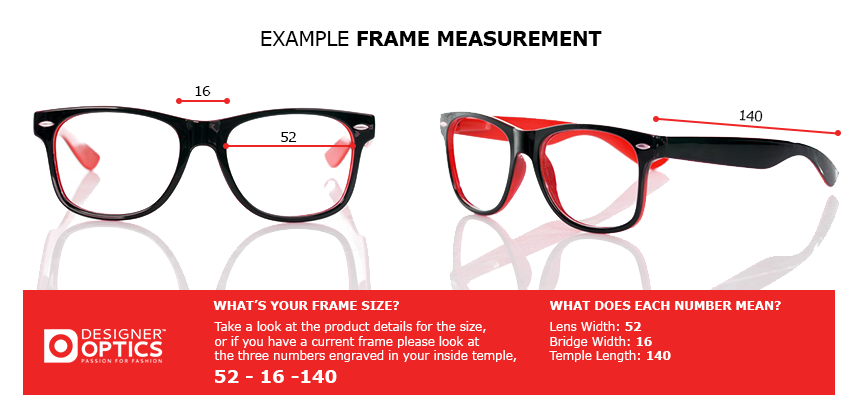
 Size Details
Frequently Asked Questions
Are the Oakley EVZero Blades 9454 prescription-ready?
How much do the Oakley EVZero Blades weigh?
What is Oakley Prizm lens technology and how does it work?
Do the EVZero Blades fit small or large faces better?
What's the difference between EVZero Blades and Radar EV Path?
Do Oakley EVZero Blades provide 100% UV protection?
Compare With Similar Frames
How the Oakley Evzero Blades 9454 Sunglasses stacks up against the closest alternatives we carry.


- Semi-rimless frame provides more secure retention and less flex
- Slightly more coverage with frame structure
- Interchangeable lens system for easy swaps

- Similar ultra-light weight (approximately 22g)
- Taller lens shape offers more vertical coverage
- Same Prizm lens technology and optical quality
Read the full comparison
EVZero Blades vs. Radar EV Path: Rimless Shield or Semi-Rimmed Performance?
The Oakley EVZero Blades 9454 and Radar EV Path 9208 represent two different approaches to high-performance sport eyewear. Both feature Oakley's Prizm lens technology and are built for serious athletes, but the choice comes down to weight versus retention.
The EVZero Blades goes all-in on weight savings with its fully rimless shield design, tipping the scales at just 22 grams—6 grams lighter than the Radar EV Path. That rimless construction delivers an unobstructed panoramic view with zero top-frame interference, making it ideal for riders who want maximum field of vision. The wide shield lens cut, borrowed from the iconic 1984 RazorBlades, provides excellent coverage and a distinctive look that blends retro style with modern performance.
The Radar EV Path counters with a semi-rimless design that keeps a bottom frame for added structure. That frame provides better retention and less flex, which translates to a more secure fit during aggressive riding or high-impact activities. The Radar EV also features Oakley's Switchlock technology for quick lens changes, while the EVZero Blades has a fixed lens design. For riders who swap lenses frequently based on conditions, the Radar EV has a clear advantage.
Fit-wise, the EVZero Blades works particularly well for smaller to medium faces and riders who find oversized shields too bulky. The shorter vertical lens height eliminates helmet-brim interference. The Radar EV Path offers a more traditional sport fit that tends to feel more locked-in across a wider range of face shapes, though some riders find the top frame intrusive.
Choose the EVZero Blades if: You prioritize ultra-low weight, want the widest possible field of view, prefer a distinctive shield aesthetic, or have a smaller to medium face. The Blades excel for road cycling, running, and multi-sport use where every gram matters and you want to forget you're wearing sunglasses.
Choose the Radar EV Path if: You need maximum retention and a locked-in feel, frequently swap lenses for different conditions, or prefer the security of a framed design. The Radar EV is the go-to for riders who demand absolute stability and don't mind a few extra grams for that confidence.
EVZero Blades vs. EVZero Path: Shield or Traditional Sport Shape?
Within the EVZero family, the Blades and Path share the same ultra-lightweight rimless platform but differ in lens shape and coverage. The EVZero Path features a taller, more traditional sport lens shape that's comparable in size to the Radar EV, while the Blades opts for a wider, lower-profile shield inspired by the RazorBlades.
Both models weigh approximately 22 grams and use the same O-Matter frame material with Unobtainium grips. Both accept Prizm lenses and offer the same optical clarity through Oakley's High Definition Optics. The choice here is purely about lens shape preference and how you want the sunglasses to sit on your face.
The EVZero Blades' shield design provides a wider horizontal field of view and a more modern, fashion-forward aesthetic. The lower profile means less vertical coverage but also less chance of the lens touching your helmet brim. The EVZero Path's taller lens offers more protection from overhead sun and a more traditional sport look that some riders prefer.
Bottom line: If you want maximum width and the distinctive RazorBlades-inspired shield look, go with the EVZero Blades. If you prefer more vertical coverage and a classic sport lens shape, the EVZero Path is your pick. Either way, you're getting Oakley's lightest performance platform.
At a Glance
Oakley Radar EV Path 9208 Sunglasses
Pros:
- Semi-rimless frame provides more secure retention and less flex
- Slightly more coverage with frame structure
- Interchangeable lens system for easy swaps
- Better fit stability for aggressive riding
Cons:
- Heavier at approximately 28g vs 22g for EVZero Blades
- Top frame can obstruct peripheral vision slightly
- Typically costs $10-20 more
- Frame across top can interfere with some helmet brims
Oakley EVZero Path 9313 Sunglasses
Pros:
- Similar ultra-light weight (approximately 22g)
- Taller lens shape offers more vertical coverage
- Same Prizm lens technology and optical quality
- Better for riders who prefer traditional sport lens shape
Cons:
- Less wide field of view than Blades' shield design
- Doesn't have the iconic RazorBlades heritage styling
- May sit higher on some faces due to taller lens
- Similar price point, so no cost advantage