












 Product Details
 Color Details
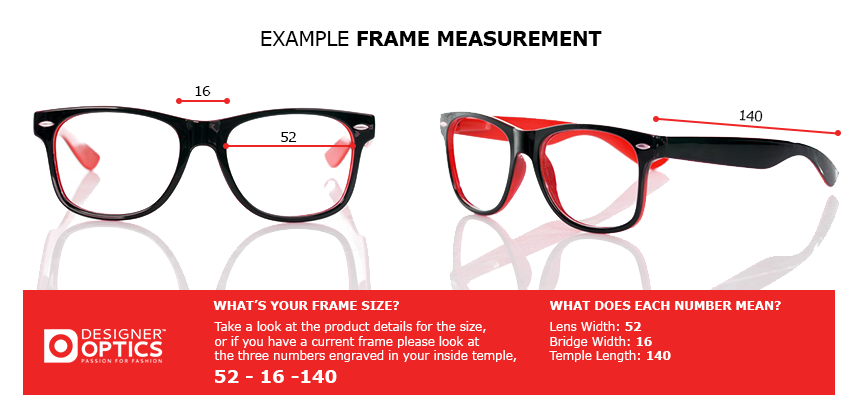
 Size Details
Frequently Asked Questions
Are Ray-Ban Zuri 4455F sunglasses prescription-ready?
What does bio-based mean on Ray-Ban Zuri sunglasses?
Do Ray-Ban Zuri sunglasses have UV protection?
What face shapes suit the Ray-Ban Zuri pillow frame?
What's the difference between Ray-Ban Zuri and Zaya?
What size are Ray-Ban Zuri 4455F sunglasses?
Compare With Similar Frames
How the Ray-Ban Zuri 4455F Sunglasses stacks up against the closest alternatives we carry.


- Lower starting price ($128.59 vs $160.00)
- Larger frame size (54mm lens width) for those who prefer bigger coverage
- Gradient lens options for a softer, fashion-forward look

- Iconic, instantly recognizable Wayfarer shape with decades of heritage
- Slightly larger lens coverage (50mm typical) for more sun protection
- Proven versatility—works across casual, professional, and formal settings
Read the full comparison
Ray-Ban Zuri 4455F vs. Kiliane 4395 vs. Wayfarer 4340
If you're drawn to the Ray-Ban Zuri's pillow-shaped frame and bio-based construction, you're likely weighing it against other modern Ray-Ban acetate styles. Here's how the Zuri stacks up against two strong alternatives in our collection.
Zuri vs. Kiliane: Two Takes on Bio-Based Design
Both the Zuri RB4455F and the Kiliane RB4395 are part of Ray-Ban's sustainable bio-based collection, featuring acetate frames derived from renewable plant sources. The Kiliane offers a larger, more oversized square shape (54mm lens width) and starts at a lower price point ($128.59), making it appealing if you want maximum coverage and a bold statement. However, the Zuri's pillow shape—rectangular with soft, rounded edges—is more versatile across face shapes and occasions. The Zuri also comes in six color variants versus the Kiliane's more limited palette. If you prefer a balanced, modern look that won't overwhelm smaller features, the Zuri is the better choice. If you love oversized frames and want gradient lens options, the Kiliane delivers.
Zuri vs. Wayfarer: Classic Icon or Modern Edge?
The Wayfarer RB4340 is Ray-Ban's most iconic silhouette, a trapezoid shape that's been a cultural staple since the 1950s. It's instantly recognizable, works across nearly any setting, and is available in bio-acetate versions for sustainability. But that ubiquity is also its limitation—the Wayfarer is everywhere. The Zuri offers a fresher alternative: a pillow-shaped frame that feels current without chasing trends. The Zuri's softer, rounded edges are also more flattering on square or angular face shapes, where the Wayfarer's sharp lines can emphasize rather than balance. Both are prescription-ready and offer 100% UV protection, but the Zuri gives you a distinctive look that stands apart from the crowd.
Our take: Choose the Zuri if you want a modern, versatile pillow shape with sustainable construction and a look that feels fresh. Go with the Kiliane if you prefer oversized frames and a lower entry price. Pick the Wayfarer if you value timeless heritage and want a shape that's proven itself across generations.
At a Glance
Ray-Ban Kiliane 4395 Sunglasses
Pros:
- Lower starting price ($128.59 vs $160.00)
- Larger frame size (54mm lens width) for those who prefer bigger coverage
- Gradient lens options for a softer, fashion-forward look
- Same bio-based acetate construction (100% sustainable materials)
Cons:
- Less versatile pillow shape—the Kiliane's oversized square design is bolder and may not suit all face shapes
- Fewer color options compared to the Zuri's six variants
- Larger frame may feel less balanced on smaller or narrower faces
Ray-Ban Wayfarer 4340 Sunglasses
Pros:
- Iconic, instantly recognizable Wayfarer shape with decades of heritage
- Slightly larger lens coverage (50mm typical) for more sun protection
- Proven versatility—works across casual, professional, and formal settings
- Available in bio-acetate versions for sustainability-conscious buyers
Cons:
- The trapezoid Wayfarer shape is less distinctive than the Zuri's pillow silhouette
- May feel more common or less unique compared to the newer Zuri design
- Wayfarer's angular lines can be less flattering on square or angular face shapes