








 Product Details
 Color Details
 Size Details
Frequently Asked Questions
Are Costa Pargo sunglasses available with prescription lenses?
What is the difference between Costa 580G and 580P lenses?
What does the 580 technology in Costa lenses actually do?
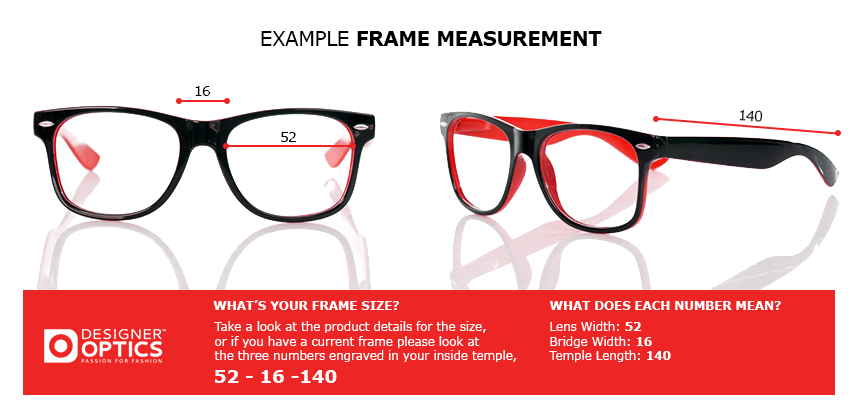
What are the frame dimensions of the Costa Pargo 9086?
Are Costa Pargo frames really made from recycled fishing nets?
What is the difference between Costa Pargo and Santiago sunglasses?
Compare With Similar Frames
How the Costa Del Mar Pargo 9086 Sunglasses stacks up against the closest alternatives we carry.


- Slightly smaller and lighter than Santiago while maintaining excellent coverage
- Same price point ($225-$248) as Santiago with identical lens technology
- Hooding and side shields provide serious light blocking without goggle-like fit

- Pargo's recycled fishing net frame is more eco-conscious than standard Rincon materials
- Hooding and side shields on Pargo provide better peripheral light blocking
- Keeper-ready temples and Hydrolite grips make Pargo more fishing-specific

- Pargo's square shape and hooding provide better coverage for anglers than Blackfin's round design
- Recycled fishing net construction gives Pargo a sustainability advantage
- Side shields and keeper-ready temples make Pargo more purpose-built for fishing
Read the full comparison
Costa Pargo vs. Santiago vs. Rincon: Which Fishing Sunglasses Are Right for You?
All three models deliver Costa's legendary 580G lens technology and polarized performance, but they're designed for different coverage needs and fit preferences.
Pargo vs. Santiago: Big Brother, Little Brother
The Costa Santiago 9085 is the Pargo's larger sibling, both made from 97% recycled fishing nets in Costa's Untangled Collection. The Santiago offers maximum wraparound coverage—anglers describe it as "akin to wearing a goggle" with extreme light blocking from all angles. The Pargo delivers the same hooding, side shields, and keeper-ready temples in a slightly smaller, lighter package that still provides serious coverage without the goggle-like fit. Both are priced identically ($225-$248) and share the same eco-conscious NetPlus frame material and 580G lens options. Choose the Santiago if you want absolute maximum coverage for all-day offshore fishing in brutal sun. Choose the Pargo if you want excellent protection in a more versatile, less aggressive frame that works on and off the water.
Pargo vs. Rincon: Purpose-Built vs. Proven Classic
The Costa Rincon 9018 ($179-$296) is a rectangular fishing frame with a longer track record and traditional Costa construction. The Pargo's advantage is its fishing-specific design: hooding and side shields block peripheral light better, Hydrolite grips stay locked when wet, and keeper-ready temples accept retainers without modification. The recycled fishing net frame also adds a sustainability story the Rincon can't match. The Rincon may offer more color and lens combinations depending on availability, and some anglers prefer its established reputation. If you want a frame engineered specifically for fishing performance with an eco-conscious edge, the Pargo is the stronger choice. If you want a proven Costa workhorse with maximum lens variety, consider the Rincon.
Pargo vs. Blackfin: Coverage vs. Classic Style
The Costa Blackfin 9014 ($163-$280) is a Costa icon with a round lens shape and decades of heritage. The Pargo's square design with hooding and side shields provides significantly better coverage for anglers who need to block light from above and the sides. The wide fit accommodates broader faces, and the recycled fishing net construction gives it a purpose beyond performance. The Blackfin's round shape suits different face shapes and style preferences, and it may be available at lower price points. Choose the Pargo if coverage and fishing-specific features matter most. Choose the Blackfin if you prefer classic round styling and Costa's traditional frame materials.
Bottom line: The Pargo occupies the sweet spot between the Santiago's maximum coverage and the Rincon/Blackfin's traditional styling, with the added benefit of recycled ocean materials. It's the right choice for anglers who want serious fishing performance, excellent light blocking, and a frame with a conservation mission.
At a Glance
Costa Del Mar Santiago 9085 Sunglasses
Pros:
- Slightly smaller and lighter than Santiago while maintaining excellent coverage
- Same price point ($225-$248) as Santiago with identical lens technology
- Hooding and side shields provide serious light blocking without goggle-like fit
- Wide fit works for most face sizes without feeling oversized
- Same eco-friendly recycled fishing net construction
Cons:
- Less wraparound coverage than Santiago for extreme light conditions
- Santiago may be preferred by anglers who want maximum peripheral protection
- Slightly less aggressive styling than the larger Santiago frame
Costa Del Mar Rincon 9018 Sunglasses
Pros:
- Pargo's recycled fishing net frame is more eco-conscious than standard Rincon materials
- Hooding and side shields on Pargo provide better peripheral light blocking
- Keeper-ready temples and Hydrolite grips make Pargo more fishing-specific
- Pargo's Untangled Collection story adds purpose to the purchase
Cons:
- Rincon may offer more color and lens options depending on availability
- Rincon has a longer track record as a proven Costa model
- Some anglers may prefer Rincon's traditional frame materials
Costa Del Mar Blackfin 9014 Sunglasses
Pros:
- Pargo's square shape and hooding provide better coverage for anglers than Blackfin's round design
- Recycled fishing net construction gives Pargo a sustainability advantage
- Side shields and keeper-ready temples make Pargo more purpose-built for fishing
- Pargo's wide fit accommodates broader faces better than Blackfin
Cons:
- Blackfin's round shape may suit different face shapes and style preferences
- Blackfin has a longer heritage as a Costa classic
- Blackfin may be available at lower price points depending on sales