








 Product Details
 Color Details
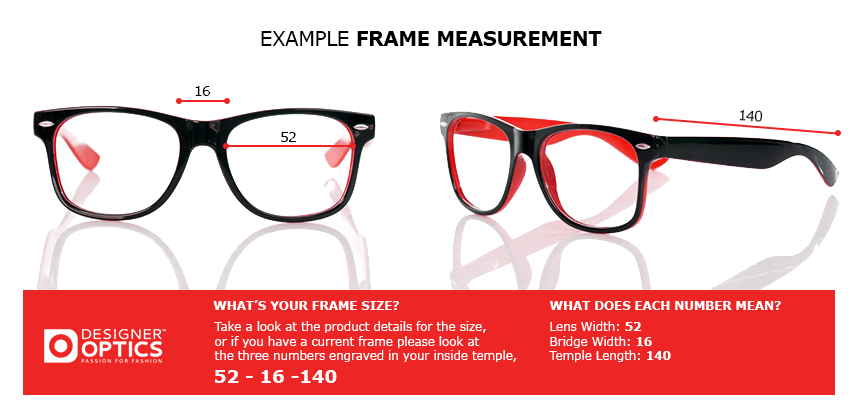
 Size Details
Frequently Asked Questions
Are the Oakley Ballistic M Frame Strike 9060 sunglasses ANSI rated for safety use?
What is the difference between the Strike and Hybrid M Frame lens shapes?
Are these sunglasses compatible with tactical helmets?
Can I get prescription lenses for the Oakley M Frame Strike 9060?
How do I change the lenses on the M Frame Strike?
What is the weight and fit of the M Frame Strike 9060?
Compare With Similar Frames
How the Oakley Ballistic M Frame Strike 9060 Sunglasses stacks up against the closest alternatives we carry.


- Ballistic-rated ANSI Z87.1 and MIL-PRF-31013 certified for tactical and industrial use
- Helmet-compatible design works with MICH, ACH, PASGT tactical helmets and night vision
- Lighter weight at 1.05 oz with Unobtainium grip that increases with perspiration

- Military-grade ballistic protection (ANSI Z87.1 and MIL-PRF-31013) vs. Sutro's standard impact resistance
- Helmet and tactical gear compatibility built into the design
- Lighter weight (1.05 oz) and more secure fit with Unobtainium grip technology
Read the full comparison
Oakley Ballistic M Frame Strike 9060 vs. Radar EV Path 9208 vs. Sutro 9406
Choosing between Oakley's shield-style sunglasses depends on your primary use case. The M Frame Strike 9060 is purpose-built for tactical professionals who need certified ballistic protection, while the Radar EV Path and Sutro serve sports and lifestyle markets.
Ballistic Protection vs. Sports Performance
The M Frame Strike stands alone in this comparison with its ANSI Z87.1 and MIL-PRF-31013 ballistic certifications. If you're military, law enforcement, or work in industrial environments where eye safety is regulated, the M Frame Strike isn't just recommended—it's often required. The Strike lens shape extends further down the cheek than standard sport shields, closing gaps where debris or fragments could penetrate. At 1.05 ounces, it's also the lightest of the three, with Unobtainium components that grip harder as you sweat.
The Radar EV Path 9208 ($147.92+) is Oakley's go-to for cycling, running, and field sports. It offers excellent coverage and comes in dozens of Prizm lens tints optimized for specific sports and conditions. Unlike the M Frame Strike, the Radar EV Path is available with prescription lenses, making it the better choice if you need vision correction. However, it lacks ballistic certification and helmet compatibility.
The Sutro 9406 ($121.10+) brings a bold, modern shield aesthetic popular in cycling and urban environments. It's the most style-forward of the three but offers only standard impact resistance—not ballistic protection. The Sutro's larger lens provides an expansive field of view, but its lifestyle design doesn't integrate with tactical helmets or gear.
Our Recommendation
Choose the M Frame Strike 9060 if you need certified eye protection for shooting, tactical operations, or industrial work. Its helmet compatibility, ballistic rating, and secure fit under stress make it the professional's choice. The tool-free lens swap between clear and grey options covers most tactical scenarios, and at $175, it delivers military-spec protection at a competitive price. For sports use with prescription needs, the Radar EV Path is the better fit. For casual wear and style, consider the Sutro.
At a Glance
Oakley Radar EV Path 9208 Sunglasses
Pros:
- Ballistic-rated ANSI Z87.1 and MIL-PRF-31013 certified for tactical and industrial use
- Helmet-compatible design works with MICH, ACH, PASGT tactical helmets and night vision
- Lighter weight at 1.05 oz with Unobtainium grip that increases with perspiration
- Lower price point starting at $175 vs $147.92+ for Radar EV Path
- Strike lens provides extended cheek coverage for maximum protection
Cons:
- Not prescription-compatible in standard configuration (Radar EV has Rx options)
- More tactical/industrial aesthetic vs. the Radar EV's modern sports styling
- Fewer lens tint options compared to Radar EV Path's extensive Prizm lineup
Oakley Sutro 9406 Sunglasses
Pros:
- Military-grade ballistic protection (ANSI Z87.1 and MIL-PRF-31013) vs. Sutro's standard impact resistance
- Helmet and tactical gear compatibility built into the design
- Lighter weight (1.05 oz) and more secure fit with Unobtainium grip technology
- Tool-free interchangeable lens system for rapid adaptation to conditions
- Lower starting price ($175 vs $121+ for Sutro)
Cons:
- More utilitarian tactical design vs. Sutro's contemporary lifestyle aesthetic
- Limited to clear and grey lens options vs. Sutro's wide Prizm color range
- Not prescription-compatible (Sutro offers Rx versions)