








 Product Details
 Color Details
 Size Details
Frequently Asked Questions
Are the Original Penguin THE SLY frames prescription-ready?
What face shapes work best with the Original Penguin THE SLY?
What are the benefits of adjustable nose pads on these frames?
How durable are stainless steel eyeglass frames?
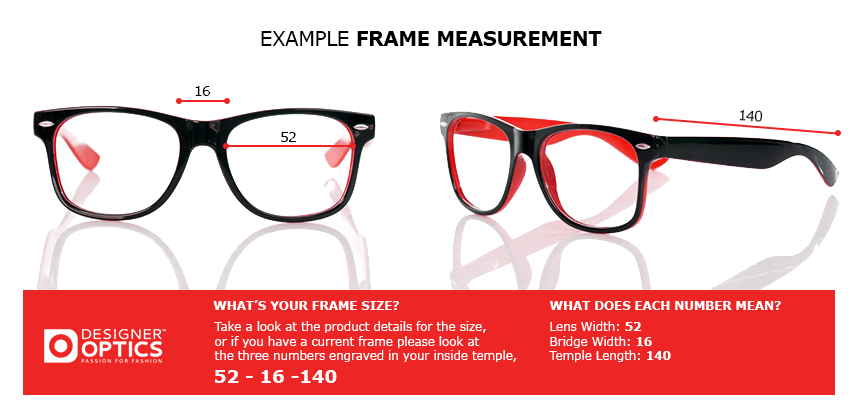
What sizes are available for the Original Penguin THE SLY?
Is Original Penguin a reputable eyewear brand?
Compare With Similar Frames
How the Original Penguin THE SLY Eyeglasses stacks up against the closest alternatives we carry.


- Full acetate construction for a bolder look
- Available in 9 color options
- Square shape similar to the SLY

- Similar clubmaster browline aesthetic
- Metal and plastic combination construction
- Same brand quality and warranty
Read the full comparison
How the Original Penguin THE SLY Compares to Similar Frames
If you're considering the Original Penguin THE SLY, you might also be weighing a few other frames in the same collection. Here's how the SLY stacks up against its closest competitors in our catalog.
THE SLY vs. THE MURPHY
Both frames feature stainless steel construction and adjustable nose pads, but the MURPHY takes a different approach with its oval lens shape and smaller 46mm lens width. If you have a petite face or prefer a softer, less structured look, the MURPHY might be your pick. However, the SLY's square browline design offers more definition and works better for medium to larger faces. The SLY also comes in two size options (53mm and 55mm) versus the MURPHY's single size, giving you more flexibility in fit.
THE SLY vs. THE CLYDE
The CLYDE represents a completely different construction approach—it's full acetate rather than the SLY's metal-acetate hybrid. This gives the CLYDE a bolder, more substantial look and comes in 9 color options compared to the SLY's 3. Customer reviews for the CLYDE are overwhelmingly positive, with wearers praising its durability and style. The trade-off? Weight and adjustability. The SLY's stainless steel front is noticeably lighter, and its adjustable nose pads offer a more customizable fit than the CLYDE's molded acetate bridge. Choose the CLYDE if you want maximum style options and don't mind a heavier frame; stick with the SLY for lightweight comfort and precise fit adjustment.
THE SLY vs. THE PRINCETON
The PRINCETON shares the SLY's clubmaster-inspired browline aesthetic and metal-plastic combination construction. Both frames tap into that same 1950s heritage look that Original Penguin does so well. The key differences come down to specific sizing, color availability, and subtle design details in the browline shape. If you're drawn to the clubmaster style but want to compare exact measurements and color options, it's worth looking at both. The SLY's advantage is its proven versatility across the three core colors (Black, Cargo, Navy) that work with virtually any wardrobe.
Our take: The SLY hits a sweet spot for guys who want a lightweight, adjustable frame with classic browline style. Its stainless steel construction keeps it comfortable for all-day wear, while the adjustable nose pads ensure a secure fit that pure acetate frames can't match. If you prioritize comfort and versatility over maximum color selection, the SLY delivers.
At a Glance
Original Penguin THE MURPHY Eyeglasses
Pros:
- Smaller 46mm lens width for petite faces
- Softer oval shape for a less structured look
- Same quality stainless steel construction
Cons:
- Smaller lens size may not suit larger faces
- Lacks the distinctive browline style of the SLY
- More limited size options
Original Penguin THE CLYDE Eyeglasses
Pros:
- Full acetate construction for a bolder look
- Available in 9 color options
- Square shape similar to the SLY
- Highly rated by customers with multiple positive reviews
Cons:
- Heavier than the metal SLY frame
- No adjustable nose pads
- May not suit those preferring lightweight metal frames
Original Penguin THE PRINCETON Eyeglasses
Pros:
- Similar clubmaster browline aesthetic
- Metal and plastic combination construction
- Same brand quality and warranty
Cons:
- May have different sizing that doesn't fit all faces
- Limited information on specific features
- Similar style may not offer enough differentiation