








 Product Details
 Color Details
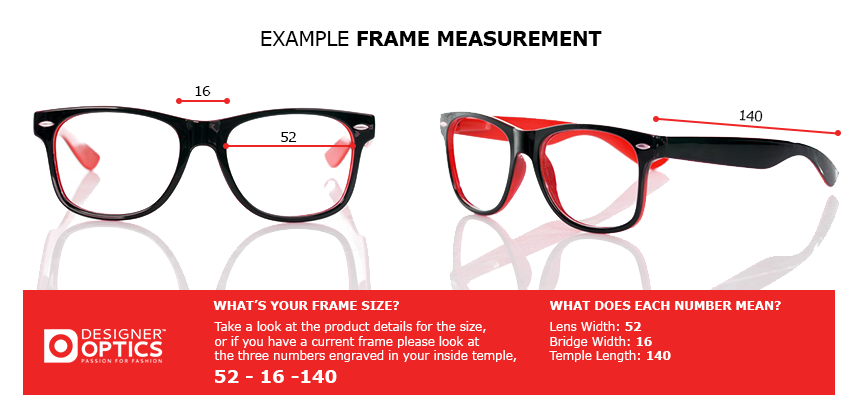
 Size Details
Frequently Asked Questions
Are Ray-Ban Orion 2199 sunglasses prescription-ready?
What size are the Ray-Ban Orion RB2199 sunglasses?
Do Ray-Ban Orion sunglasses have UV protection?
What is the difference between Ray-Ban Orion and New Wayfarer?
Are polarized lenses available for the Ray-Ban Orion?
What face shapes suit the Ray-Ban Orion RB2199?
Compare With Similar Frames
How the Ray-Ban Orion 2199 Sunglasses stacks up against the closest alternatives we carry.


- More angular, modern interpretation of the classic Wayfarer shape
- Slightly larger lens options available (52mm, 55mm, 58mm)
- Flatter lens profile without pantoscopic tilt for better fit on some faces

- Similar archival 1950s-inspired design language and retro appeal
- Same acetate construction quality and prescription-ready capability
- Comparable sizing and fit (52-22-145)
Read the full comparison
Ray-Ban Orion vs New Wayfarer vs Bill: Which Retro Frame Is Right for You?
The Ray-Ban Orion RB2199 occupies a sweet spot in Ray-Ban's acetate square frame lineup, offering vintage character that's distinct from the ubiquitous Wayfarer family while maintaining the brand's signature quality and style.
Orion vs New Wayfarer: Vintage Soul vs Modern Icon
The Ray-Ban New Wayfarer RB2132 is Ray-Ban's modern refinement of their most famous frame. It features sharper angles, a flatter lens profile, and comes in more size options (52mm, 55mm, 58mm). The New Wayfarer eliminated the pantoscopic tilt of the original, making it more comfortable for many wearers and preventing the frames from resting on your cheeks.
The Orion takes a different approach. Inspired by 1950s archival designs, it blends bold square lines with softer, more rounded edges. This gives it a distinctive retro character that's less common than the Wayfarer's angular profile. If you want a frame that stands out from the crowd of New Wayfarers, the Orion delivers vintage appeal without looking like you're trying too hard.
The fit differs too: the Orion's 52mm lens is your only size option, while the New Wayfarer offers three widths. But that medium 52mm works well for most faces, and the Orion's rounded square shape is often more forgiving than the New Wayfarer's sharper geometry.
Orion vs Bill: Sibling Rivalry
The Ray-Ban Bill RB2198 is the Orion's closest relative—both are part of Ray-Ban's archival collection and share the same 1950s inspiration, acetate construction, and 52-22-145 sizing. The choice between them comes down to subtle frame shape preferences and which color options speak to you. Both offer the same prescription-ready versatility and vintage aesthetic.
Our Take
Choose the Orion if you want authentic 1950s style with a softer, more rounded square shape that's less common than the Wayfarer. It's ideal for anyone seeking vintage character with modern wearability. Choose the New Wayfarer if you prefer sharper angles, want more size options, or like the idea of wearing Ray-Ban's most iconic modern frame. Choose the Bill if you're drawn to the same archival vibe as the Orion but prefer its specific frame shape nuances.
At a Glance
Ray-Ban New Wayfarer RB2132 Sunglasses
Pros:
- More angular, modern interpretation of the classic Wayfarer shape
- Slightly larger lens options available (52mm, 55mm, 58mm)
- Flatter lens profile without pantoscopic tilt for better fit on some faces
- Wider variety of color and lens combinations
- Lower starting price point ($117.56 vs $121.31)
Cons:
- Less distinctive vintage character compared to the Orion's 1950s-inspired design
- More common and recognizable—less unique than the archival Orion
- Sharper angles may not suit all face shapes as well as the Orion's softer edges
Ray-Ban Bill RB2198 Sunglasses
Pros:
- Similar archival 1950s-inspired design language and retro appeal
- Same acetate construction quality and prescription-ready capability
- Comparable sizing and fit (52-22-145)
- Similar price range ($125.68–$244.0 vs $121.31–$241.0)
- Part of the same vintage-revival collection
Cons:
- Very similar styling may make the choice come down to subtle frame shape preferences
- Comparable rather than contrasting—doesn't offer a dramatically different look
- Same target customer, so less differentiation in style positioning