








 Product Details
 Color Details
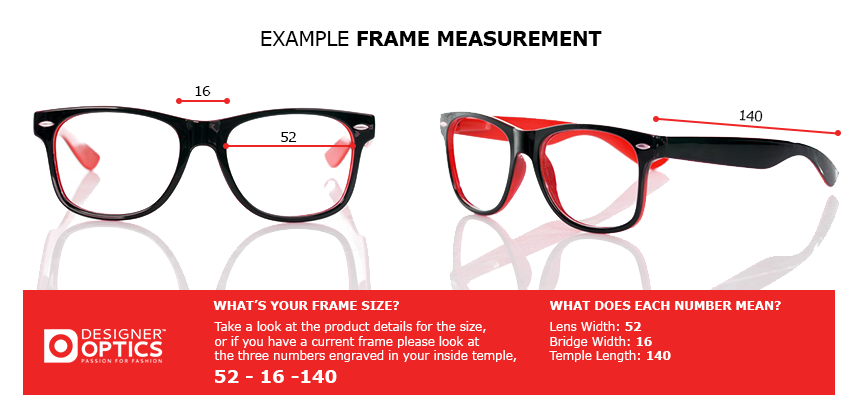
 Size Details
Frequently Asked Questions
Are the Smith Pursuit sunglasses prescription-compatible?
What is the visible light transmission (VLT) range of the ChromaPop Glacier Photochromic lens?
How do the Smith Pursuit compare in size to the Wildcat?
Do the magnetic side shields stay on securely?
Can I use the Smith Pursuit for mountain biking and cycling?
What comes included with the Smith Pursuit sunglasses?
Compare With Similar Frames
How the Smith Optics Sport u0026 Performance 205729 Pursuit Sunglasses stacks up against the closest alternatives we carry.


- Slightly smaller fit (140mm x 62mm) works better for medium-sized faces
- Lower starting price point ($217-$287 vs $285-$347)
- Lighter weight and less bulk for everyday cycling and running

- More compact fit ideal for smaller faces and all-day comfort
- Lower price range ($215-$278) makes it more accessible
- Available with ChromaPop Photochromic lenses for variable light

- Similar price range ($207-$297) with comparable features
- Also offers side shields for peripheral protection
- Good for multi-sport use including hiking and trail running
Read the full comparison
Smith Pursuit vs Wildcat vs Bobcat: Which Shield Sunglasses Are Right for You?
Smith's performance shield sunglasses share ChromaPop lens technology and premium build quality, but they're designed for different missions. Here's how the Pursuit stacks up against its siblings.
Pursuit vs Wildcat: More Coverage, More Features
The Smith Wildcat has been a backcountry staple for years, and the Pursuit builds directly on that legacy. Both were co-designed with Cody Townsend, but the Pursuit takes things further. At 148mm x 66mm, the Pursuit offers noticeably more coverage than the Wildcat's 140mm x 62mm lens. That extra real estate blocks more wind, snow, and peripheral light—critical for exposed alpine terrain.
The Pursuit adds magnetic side shields that snap on and off in seconds, a removable nose guard for high-altitude sun protection, and an optional goggle strap to lock the glasses down during descents. The Wildcat lacks all three. If you're ski touring, mountaineering, or riding in extreme conditions, the Pursuit's modular design is worth the premium. If you want a lighter, simpler setup for cycling and everyday backcountry use, the Wildcat delivers at a lower price ($217-$287 vs $285-$347).
Pursuit vs Bobcat: Alpine Beast vs Everyday Performer
The Smith Bobcat is the compact, cycling-focused option. It's smaller, lighter, and more versatile for road rides, trail runs, and daily wear. The Bobcat fits smaller faces better and costs less ($215-$278), but it doesn't have the Pursuit's side shields, nose guard, or goggle strap. The Bobcat is excellent for variable-light cycling with ChromaPop Photochromic lenses, but it's not built for the backcountry. Choose the Bobcat if you prioritize all-day comfort and everyday performance. Choose the Pursuit if you need goggle-level protection without the bulk.
Pursuit vs Embark: Magnetic Convenience Wins
The Smith Embark also features side shields and sits in a similar price range ($207-$297), but reviews consistently note that the Pursuit's magnetic side shields are far easier to use than the Embark's attachment system. The Pursuit's larger lens, removable nose guard, and backcountry-specific design make it the better choice for alpine pursuits. The Embark is a solid multi-sport option, but if you're serious about ski touring or mountaineering, the Pursuit is purpose-built for the job.
Bottom line: The Pursuit is the most versatile, feature-rich option in Smith's shield lineup. It's overkill for casual use, but if you need one pair of sunglasses to handle dawn-to-dusk missions in the mountains, the Pursuit delivers.
At a Glance
Smith Wildcat Sunglasses
Pros:
- Slightly smaller fit (140mm x 62mm) works better for medium-sized faces
- Lower starting price point ($217-$287 vs $285-$347)
- Lighter weight and less bulk for everyday cycling and running
- Proven track record as a backcountry favorite for years
Cons:
- No magnetic side shields or removable nose guard for extreme conditions
- Smaller lens size offers less coverage from wind, snow, and peripheral light
- No optional goggle strap for high-speed or rough terrain
- Less versatile for true alpine and ski mountaineering missions
Smith Bobcat Sunglasses
Pros:
- More compact fit ideal for smaller faces and all-day comfort
- Lower price range ($215-$278) makes it more accessible
- Available with ChromaPop Photochromic lenses for variable light
- Better suited for road cycling, running, and everyday performance use
Cons:
- Significantly less coverage—not designed for extreme alpine conditions
- No side shields, nose guard, or goggle strap options
- Smaller lens doesn't provide the same wind and debris protection
- Not ideal for backcountry skiing or mountaineering
Smith Embark Sunglasses
Pros:
- Similar price range ($207-$297) with comparable features
- Also offers side shields for peripheral protection
- Good for multi-sport use including hiking and trail running
- Prescription-compatible via ODS5 adapter
Cons:
- Side shields are harder to attach and remove (not magnetic like the Pursuit)
- Less coverage and smaller lens than the Pursuit
- Not specifically designed for backcountry skiing and alpine use
- Lacks the Pursuit's removable nose guard and goggle strap options