








Free Shipping
Price Match
Easy Returns
Licensed Opticians


These Oakley RADARLOCK PATH (A) frames feature a Semi Rim design and a flex hinge for added comfort. Oakley's Plutonite Lenses offer top UV Protection filtering 100% of all UVA, UVB, UVC and harmful blue light up to 400mm. Patented High Definition Optics (HDO) provides superior optical clarity and razor-sharp vision at every angle. Options featuring PRIZM Lens Technology are designed to enhance color, contrast and detail so athletes can make the most of any activityThese frames are designed with light-weight O-Matter material for superior comfort and durability. These Oakley Sun frames feature a Irregular shape perfect for square or heart shaped faces.
 Product Details
 Product Details
Model
0OO9206Shape
Gender
Material
Bridge Type
Rim Type
Age Group
 Color Details
 Color Details
Color Code
920611Color Description
Carbon FiberFrame Color
BlackLens Color
Slate Iridium
Color Code
920602Color Description
Matte WhiteFrame Color
WhiteLens Color
Slate Iridium
Color Code
920627Color Description
Polished WhiteFrame Color
WhiteLens Color
Prizm Road
Color Code
920625Color Description
Polished BlackFrame Color
BlackLens Color
Prizm Golf
Color Code
920626Color Description
Polished WhiteFrame Color
WhiteLens Color
Prizm Baseball Outfield
Color Code
920636Color Description
Matte BlackFrame Color
BlackLens Color
Prizm Golf
Color Code
920637Color Description
Polished BlackFrame Color
BlackLens Color
Prizm Road
Color Code
920641Color Description
Polished BlackFrame Color
BlackLens Color
Prizm Black
Color Code
920643Color Description
Polished WhiteFrame Color
WhiteLens Color
Prizm Jade
Color Code
920642Color Description
Matte Black InkFrame Color
BlackLens Color
Prizm Ruby
Color Code
920646Color Description
Polished WhiteFrame Color
WhiteLens Color
Prizm Ruby
Color Code
920647Color Description
WhiteLens Color
Prizm Black
Color Code
920648Color Description
GreyLens Color
Prizm Dark Golf
Color Code
920657Color Description
Matte BlackFrame Color
BlackLens Color
Prizm Road Jade
Color Code
920649Color Description
GreenLens Color
Clear-black Photochromic
Color Code
920651Color Description
BlackFrame Color
BlackLens Color
Prizm Black Polarized
Color Code
920671Color Description
Polished WhiteLens Color
Clear
Color Code
920668Color Description
Polished WhiteLens Color
Prizm Sapphire
Color Code
920667Color Description
Polished WhiteLens Color
Prizm Golf
Color Code
920669Color Description
Polished WhiteLens Color
Clear/black Photochrmc Iridium
Color Code
920674Color Description
Polished BlackFrame Color
BlackLens Color
Prizm 24k Polarized
Color Code
920680Color Description
Tennis Ball YellowLens Color
Prizm Road
Color Code
920687Color Description
High Resolution CarbonFrame Color
BlackLens Color
Prizm Black Polarized
Color Code
920689Color Description
Space DustFrame Color
SilverLens Color
Prizm Snow Sapphire
Color Code
920692Color Description
Matte WhiteLens Color
Prizm Deep Water Polarized
Color Code
920691Color Description
Matte Green Purple Colorshift SplatterFrame Color
BlackLens Color
Prizm Trail Torch
Color Code
920690Color Description
Matte BlackFrame Color
BlackLens Color
Prizm Sapphire
Color Code
920694Color Description
Matte BlackFrame Color
BlackLens Color
Prizm Slate
Color Code
920676Color Description
HolographicFrame Color
SilverLens Color
Prizm Grey
Color Code
920658Color Description
Polished BlackFrame Color
BlackLens Color
Prizm Low Light
Color Code
920695Color Description
Matte Grey InkLens Color
Prizm Trail Torch
 Size Details
 Size Details
Size
38138-131
Size
38138-131
Size
38138-131
Size
38138-131
Size
38138-131
Size
38138-131
Size
38138-131
Size
38138-131
Size
38138-131
Size
38138-131
Size
38138-131
Size
38138-131
Size
38138-131
Size
38138-131
Size
38138-131
Size
38138-131
Size
38138-131
Size
38138-131
Size
38138-131
Size
38138-131
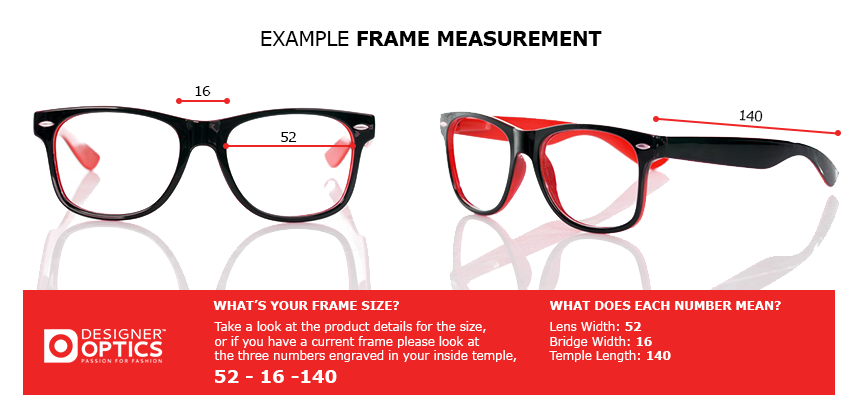
Bridge Width
138.00Temple Length
131.00Size
38138-131
Bridge Width
138.00Temple Length
131.00Size
38138-131
Bridge Width
138.00Temple Length
131.00Size
38138-131
Size
38138-131
Bridge Width
138.00Temple Length
131.00Size
38138-131
Bridge Width
138.00Temple Length
131.00Size
38138-131
Bridge Width
138.00Temple Length
131.00Size
38138-131
Bridge Width
138.00Temple Length
131.00Size
38138-131
Bridge Width
138.00Temple Length
131.00Size
38138-131
Bridge Width
138.00Temple Length
131.00Size
38138-131
Bridge Width
138.00Temple Length
131.00Size
38138-131
Got the glasses I was looking for and cheaper than Oakley website!
completely pleased with the oakleys. however, your process time, notwithstanding the 5 days from oakley, was far greater than most online suppliers these days. even after i paid $14 for priority shipping, it took almost two weeks to arrive, taking about a week or more to leave your state.
Fits well and comfortable. Wouldn’t change a thing.
Excellent quality and I’m very happy because my love like it .
Your company met my expectations. Your personnel were great!
California Proposition 65 Proposition 65 is a California regulation that requires special warnings to be presented to customers if a product contains certain quantities of chemicals or toxicants known to the State of California to cause cancer, birth defects, or other reproductive harm. The following warning applies to the products linking to this page:
WARNING: Reproductive Harm – https://www.p65warnings.ca.gov/Free Shipping within the contiguous US only (excluding Hawaii and Alaska) on all Orders over $100.
At DesignerOptics.com we are committed to the highest quality of service.
We ship products to all 50 US states as well as to many other countries around the world. We take all the measures to ship our items in a timely manner, directly to your door, almost anywhere in the world.
In stock products usually ship within two business days, but may take up to five business days*. When an order ships you will receive a confirmation email with the tracking information. You can also track your order by logging into your account.
We provide FREE SHIPPING on all orders over $100 We also offer overnight and second day delivery shipping options. Please note that when using next day or second day delivery it still takes 48 to 72 Business hours for the order to be processed.
The Designer Optics Low Price Guarantee is simple:
Designeroptics.com matches the price of all retail competitors and major online retailers.
How it works:
Place the frames in your cart
Before placing your order in add the following the comments box, Add the URL (web address) of the page where you found the lower-priced item,
Your credit card will not be charged until we have confirmed with you by phone or by email that your item qualifies for our Price-Match Guarantee.
Please Follow those easy steps for returns
1- Please fill out this form Return Authorization Form to get an RMA # you will receive a RMA # with instruction on how to return them within 48 to 72 Business hours from the time you submitted the form. Wait for our confirmation e-mail before shipping back the return
2- Send the product back to us following the instructions indicated in our e-mail and to the address we will provide you.
3- Make sure to confirm with us via e-mail the shipping date, the shipping service you used and the tracking number whenever you have
4- Include details of the return and how you would like for us to go about it (refund, store credit, exchange, etc). Designer Optics is not responsible for items damaged along the way.
Please allow us 3 to 5 business days from when items are received for us to process the refund. The amount to be refunded will not include shipping charges. if the order consists of 3 or more frames we will charge a 20% Restocking fee. otherwise only the shipping will be deducted.
Some exclusions may apply. Please note prescription lenses are final sale. We also do not accept returns on beauty products due to health and safety concerns. For more information please go to Returns
At Designer Optics, our skilled and experienced lab opticians play a crucial role in ensuring the quality and accuracy of your eyewear. With over 30 combined years of experience and full licensure, they review each prescription carefully and are equipped to answer any questions you may have.
Our state-of-the-art lab is equipped with the latest technology and equipment, including advanced edging and cutting technology, to produce lenses that are precise and accurate. Whether you need full frame or rimless lenses, our team is dedicated to providing the best possible results.
For personalized support, simply send an email to Support@designeroptics.com to request a call back from one of our friendly opticians.
Frequently Asked Questions
How does the Switchlock lens-change system work on the Radarlock Path?
The Switchlock system uses a small lever near the left temple that releases a hinge mechanism. Slide the lever, swing the temple arm forward, and the lens pops free without flexing the frame. To install a new lens, slide it into the groove on the opposite side, then close the temple to lock it in place. The entire process takes less than 60 seconds and requires no tools, making it ideal for athletes who need to adapt to changing light conditions on the go.
What face size does the Radarlock Path fit best?
The Radarlock Path lens shape is designed for small-to-medium faces. The Path lens has a 44mm height with an angular sweep that hugs the cheekbones more closely than the larger Pitch or Range lens shapes. If you have a larger face or higher cheekbones, consider the Radarlock Pitch (46mm height) or look for the Asian Fit / Low Bridge Fit version, which offers a wider nose bridge and modified geometry.
Are the Radarlock Path sunglasses prescription-ready?
Yes, the Radarlock Path can be fitted with prescription lenses. While Oakley does not manufacture Rx lenses directly for this model in all configurations, third-party optical labs offer custom prescription lenses engineered to fit the Radarlock Path frame. These include options for high-index, polarized, photochromic, and Trivex materials. Always verify compatibility with your optician before ordering.
What is Oakley Prizm lens technology and how does it improve performance?
Prizm is Oakley's proprietary lens technology that fine-tunes light transmission to enhance specific colors and boost contrast for different sports and environments. Unlike standard tinted lenses that simply darken your view, Prizm lenses selectively filter wavelengths to amplify details—such as road texture for cyclists, green contours for golfers, or ball flight for baseball players. All Prizm lenses block 100% of UV rays and are made from impact-resistant Plutonite polycarbonate.
What's the difference between the Radarlock Path and the Radar EV Path?
The Radar EV Path is the third-generation Radar model with a taller lens (46mm vs. 44mm on the Radarlock Path) for extended vertical coverage, especially in the upper peripheral zone. The Radar EV also features improved venting to reduce fogging and a more angular brow design. However, the Radar EV does not use Switchlock technology—it returns to a simpler lens-change method. The Radarlock Path offers faster lens swaps, while the Radar EV provides greater coverage and a more modern aesthetic.
Do the Radarlock Path sunglasses stay secure during intense activity?
Yes. The Radarlock Path features Unobtainium earsocks and nosepads that increase grip when exposed to moisture, so the frame actually holds tighter as you sweat. The lightweight O Matter frame and three-point fit ensure the sunglasses stay in place during high-impact activities like trail running, cycling, and other sports, even when worn under a helmet. Multiple reviews confirm the Radarlock Path remains stable and comfortable during long rides and runs without slipping.
Compare With Similar Frames
How the Oakley Radarlock Path 9206 Sunglasses stacks up against the closest alternatives we carry.


- Taller lens (46mm vs. 44mm) provides extended vertical coverage, especially in upper peripheral vision
- Improved venting system closer to the face for better anti-fog performance
- More modern, angular brow design with straighter top line

- Larger shield lens provides maximum coverage and protection from wind, debris, and sun
- Full O Matter frame offers more structural support and bold, aggressive styling
- Vented lens design helps prevent fogging on long, sweaty rides

- Lighter and more streamlined—ideal for running and casual cycling
- Lower price point makes it accessible for athletes on a budget
- Semi-rimless design with excellent downward peripheral vision
Read the full comparison
Radarlock Path vs. Radar EV Path vs. Jawbreaker: Which Oakley Shield is Right for You?
Choosing between Oakley's performance shields comes down to your sport, face size, and how often you swap lenses. Here's how the Radarlock Path 9206 stacks up against two of its closest competitors in our catalog.
Radarlock Path 9206 vs. Radar EV Path 9208
The Radar EV Path is the third-generation Radar model, designed to address the Radarlock's one limitation: vertical coverage. The EV (Extended Vision) lens is 2mm taller (46mm vs. 44mm) and extends further into the upper peripheral zone, giving cyclists and runners more protection when looking up or riding in an aggressive position. The Radar EV also features improved venting positioned closer to the face for better anti-fog performance.
However, the Radar EV sacrifices the Radarlock's signature feature: Switchlock technology. Changing lenses on the Radar EV requires manually flexing the frame, which takes longer and can stress the optics over time. If you frequently swap lenses for different light conditions—say, moving from bright road rides to shaded trails, or cycling at dawn and dusk—the Radarlock Path's sub-60-second lens changes are a game-changer. If you prioritize maximum coverage and rarely change lenses, the Radar EV Path is the better choice.
Choose the Radarlock Path if: You need fast, tool-free lens changes and prefer a proven design with a slightly lower profile. Choose the Radar EV Path if: You want the tallest lens coverage in the Radar family and don't mind slower lens swaps.
Radarlock Path 9206 vs. Jawbreaker 9290
The Jawbreaker is Oakley's maximum-coverage cycling shield, featuring a massive full-frame lens and Switchlock technology. It's built for serious cyclists who spend hours in the saddle and need total protection from wind, sun, and debris. The Jawbreaker's vented lens design also helps prevent fogging on long climbs.
But that coverage comes at a cost: weight and bulk. The Jawbreaker is noticeably heavier than the Radarlock Path and can feel too large for running or smaller faces. The full lower frame also blocks some downward peripheral vision—less ideal for checking the road directly below you. The Radarlock Path's semi-rimless design keeps your field of view wide open, making it more versatile across cycling, running, and multi-sport use.
Choose the Radarlock Path if: You want a lighter, more versatile shield that works for running, cycling, and everyday sport. Choose the Jawbreaker if: You're a dedicated cyclist who prioritizes maximum coverage and doesn't mind the extra weight.
Radarlock Path 9206 vs. Flak 2.0 XL 9188
The Flak 2.0 XL is Oakley's lightweight, budget-friendly semi-rimless shield. It shares the Radarlock's open lower frame design but skips the Switchlock mechanism, making it simpler, lighter, and less expensive. For runners and recreational cyclists who stick to one or two lens tints, the Flak 2.0 XL is an excellent choice.
However, the Flak 2.0 XL's smaller lens offers less coverage than the Radarlock Path, and manual lens changes are slower and more cumbersome. If you ride or run in variable conditions—early morning to midday, or mixed sun and shade—the Radarlock Path's interchangeable lens system is worth the investment.
Choose the Radarlock Path if: You need fast lens changes and slightly more coverage for serious training and racing. Choose the Flak 2.0 XL if: You want a lighter, simpler option for running and casual rides at a lower price.
At a Glance
Oakley Radar EV Path 9208 Sunglasses
Pros:
- Taller lens (46mm vs. 44mm) provides extended vertical coverage, especially in upper peripheral vision
- Improved venting system closer to the face for better anti-fog performance
- More modern, angular brow design with straighter top line
- Slightly lower starting price point
Cons:
- No Switchlock technology—lens changes are slower and require more manual effort
- May feel too tall or bulky for some smaller faces
- Less versatile for athletes who frequently swap lenses for different conditions
Oakley Jawbreaker 9290 Sunglasses
Pros:
- Larger shield lens provides maximum coverage and protection from wind, debris, and sun
- Full O Matter frame offers more structural support and bold, aggressive styling
- Vented lens design helps prevent fogging on long, sweaty rides
- Also features Switchlock technology for fast lens changes
Cons:
- Heavier and bulkier—can feel too large for running or smaller faces
- Full lower frame may obstruct downward peripheral vision compared to Radarlock's semi-rimless design
- Higher price point and less versatile across multiple sports
Oakley Flak 2.0 XL 9188 Sunglasses
Pros:
- Lighter and more streamlined—ideal for running and casual cycling
- Lower price point makes it accessible for athletes on a budget
- Semi-rimless design with excellent downward peripheral vision
- Available in a wide range of Prizm lens options
Cons:
- No Switchlock technology—lens changes are manual and slower
- Smaller lens provides less coverage than the Radarlock Path, especially for cycling
- Less suitable for athletes who need to adapt to rapidly changing light conditions