








 Product Details
 Color Details
 Size Details
Frequently Asked Questions
Are Ray-Ban Clyde RB3709 sunglasses prescription-ready?
What face shapes work best with the Ray-Ban Clyde RB3709?
What is the frame material of the Ray-Ban Clyde RB3709?
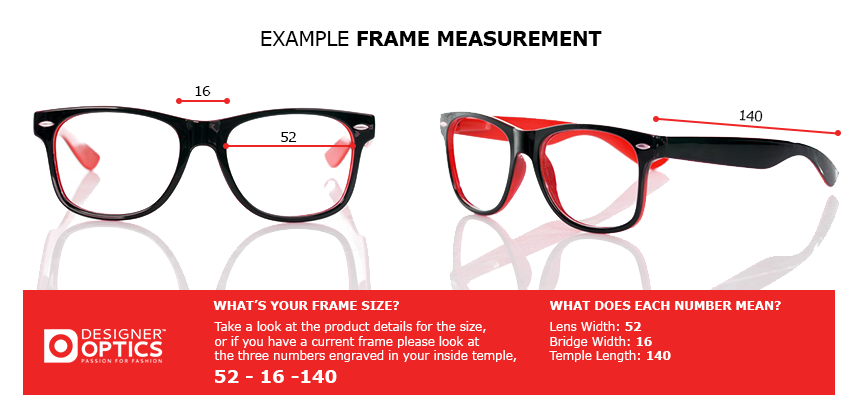
What are the measurements of the Ray-Ban Clyde RB3709?
Do the Ray-Ban Clyde RB3709 sunglasses have UV protection?
How does the Ray-Ban Clyde RB3709 compare to the Clubmaster?
Compare With Similar Frames
How the Ray-Ban Clyde 3709 Sunglasses stacks up against the closest alternatives we carry.


- Pure metal construction for a lighter, more streamlined feel
- Oversized 54mm lens option for more coverage
- Classic 1970s design straight from the Ray-Ban vault

- Iconic Clubmaster browline design with instant recognition
- Mixed nylon and metal construction similar to the Clyde
- Gold accents on frame front add premium detailing
Read the full comparison
Ray-Ban Clyde RB3709 vs. Square 1971 vs. Clubmaster Metal 3716
If you're drawn to the Clyde's square metal aesthetic, two other Ray-Ban frames deserve your attention: the Square 1971 and the Clubmaster Metal 3716. Each takes a different approach to mixing metal construction with distinctive design.
The Ray-Ban Square 1971 is the purist's choice—an all-metal frame that pulls directly from Ray-Ban's 1970s archive. It features oversized square lenses (54mm vs. the Clyde's 53mm) in a thin metal frame with adjustable nose pads. The 1971 is lighter and more minimalist, perfect if you want that vintage disco-era look without any plastic accents. However, it lacks the visual depth and material contrast that makes the Clyde stand out. The 1971 starts at $117.94, making it slightly more accessible than the Clyde.
The Clubmaster Metal 3716 shares the Clyde's mixed-material DNA but takes it in a completely different direction. Instead of a square shape, you get the iconic Clubmaster browline—that distinctive acetate bar across the top rim that's been a Ray-Ban signature since the 1980s. The 3716 uses nylon and metal components with gold accents and covered temple tips. It's a more formal, intellectual look compared to the Clyde's relaxed square vibe. The Clubmaster Metal works beautifully if you're after that classic mid-century aesthetic, but it's less versatile across face shapes and costs more ($144.20–$276.00).
Why choose the Clyde? The RB3709 sits right between these two. It offers more visual interest than the minimalist Square 1971 through its plastic-wrapped metal rims, but it's more contemporary and versatile than the Clubmaster Metal's traditional browline. The Clyde's square shape flatters a wider range of faces, and the mixed materials give you durability where you need it (metal front) and comfort where it counts (plastic temples). At $132.16–$261.00, it's competitively priced and delivers a modern take on square frames that works whether you're dressing up or keeping it casual.
At a Glance
Ray-Ban Square 1971 Sunglasses
Pros:
- Pure metal construction for a lighter, more streamlined feel
- Oversized 54mm lens option for more coverage
- Classic 1970s design straight from the Ray-Ban vault
- Available with polarized and gradient lens options
- Adjustable nose pads for custom fit
Cons:
- All-metal frame may feel less substantial than mixed-material designs
- Higher starting price point ($117.94 vs $132.16)
- Fewer color combinations available
- Lacks the visual contrast of the Clyde's plastic rim accents
Ray-Ban Clubmaster Metal 3716 Sunglasses
Pros:
- Iconic Clubmaster browline design with instant recognition
- Mixed nylon and metal construction similar to the Clyde
- Gold accents on frame front add premium detailing
- Covered temple tips for added comfort
- Available in 51mm size for a more compact fit
Cons:
- Browline shape is less versatile than square frames for different face shapes
- Higher price range ($144.20–$276.00)
- More traditional aesthetic may not suit contemporary styles
- Smaller lens height provides less coverage than the Clyde's square lenses