












 Product Details
 Color Details
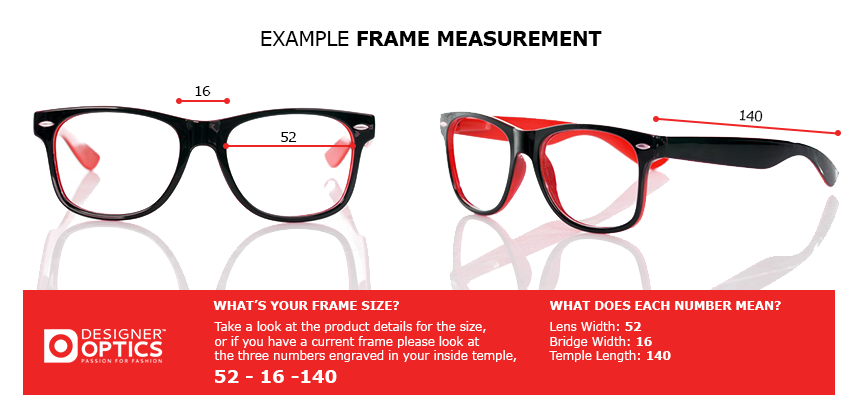
 Size Details
Frequently Asked Questions
Are Ray-Ban Iris 4471 sunglasses prescription-ready?
What is the tri-layer technology in the Ray-Ban Iris?
What face shapes work best with the Ray-Ban Iris RB4471?
What are the measurements of the Ray-Ban Iris 4471?
Do Ray-Ban Iris sunglasses have UV protection?
How does the Ray-Ban Iris compare to the Erika?
Compare With Similar Frames
How the Ray-Ban Iris 4471 Sunglasses stacks up against the closest alternatives we carry.


- Larger round lens shape for more coverage
- Rubberized finish options available
- Slightly lower starting price at $105.70

- Distinctive browline adds structure and character
- Round lens shape similar to the Iris
- Metal-acetate hybrid construction
Read the full comparison
Ray-Ban Iris 4471 vs. Similar Round Frames
The Ray-Ban Iris RB4471 sits in a sweet spot between classic round frames and modern everyday styles. If you're deciding between the Iris and other round Ray-Bans, here's how they stack up.
Iris vs. Erika RB4171
The Erika is probably the closest match—both are round-oval acetate frames in the same price range ($105–$166). The key difference is construction: the Iris uses tri-layer acetate technology that creates visible color depth, while the Erika has traditional single-layer acetate. The Erika's lens shape is rounder and slightly larger, giving more coverage, while the Iris is more oval and compact. If you want a modern frame with a distinctive look, the Iris wins. If you prefer maximum coverage and a softer round shape, go Erika.
Iris vs. Round/Classic 2447
The RB2447 is Ray-Ban's heritage round frame—think John Lennon or 1960s counterculture. It's a true circle, smaller and more vintage than the Iris. The 2447 is for customers who want that retro aesthetic, while the Iris is for those who want a round frame that feels current. Both are acetate and prescription-ready, but the Iris's oval shape and tri-layer construction make it more versatile for everyday wear.
Iris vs. Clubround 4246
The Clubround takes the round lens shape and adds a metal browline, creating a hybrid between the Clubmaster and round styles. It's more structured and distinctive than the Iris, with a stronger vintage-modern vibe. The Clubround starts at $131.60 and skews slightly more masculine, while the Iris is truly unisex. Choose the Clubround if you want a statement frame; choose the Iris if you want understated versatility.
All three alternatives are prescription-ready and offer UV protection. The Iris stands out for its tri-layer acetate, medium oval shape, and ability to work across face shapes without being too bold or too retro.
At a Glance
Ray-Ban Erika 4171 Sunglasses
Pros:
- Larger round lens shape for more coverage
- Rubberized finish options available
- Slightly lower starting price at $105.70
- More color and lens combinations available
Cons:
- Traditional single-layer acetate lacks the Iris's tri-layer depth
- Rounder shape may not suit all face types as well
- Less modern aesthetic compared to the Iris
Ray-Ban Round/Classic 2447 Sunglasses
Pros:
- True vintage round shape with heritage appeal
- Acetate construction like the Iris
- Similar price range starting at $123.56
- Iconic Ray-Ban classic status
Cons:
- Smaller, more circular lens shape may not suit all faces
- Less modern styling—more retro-focused
- No tri-layer acetate technology
Ray-Ban Clubround 4246 Sunglasses
Pros:
- Distinctive browline adds structure and character
- Round lens shape similar to the Iris
- Metal-acetate hybrid construction
- Strong vintage-modern appeal
Cons:
- Browline style is more polarizing—not for everyone
- Slightly higher starting price at $131.60
- More masculine aesthetic than the unisex Iris