












 Product Details
 Color Details
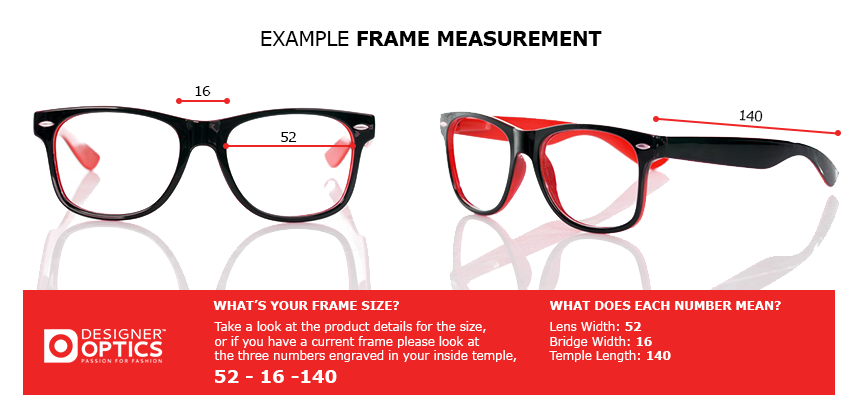
 Size Details
Frequently Asked Questions
What is the circle in the middle of Ray-Ban Shooter sunglasses for?
Are Ray-Ban Shooter 3138 sunglasses prescription-ready?
What's the difference between Ray-Ban Shooter and Aviator?
Should I get 58mm or 62mm Ray-Ban Shooter sunglasses?
Do Ray-Ban Shooter sunglasses have UV protection?
Who made Ray-Ban Shooter sunglasses famous?
Compare With Similar Frames
How the Ray-Ban Shooter 3138 Sunglasses stacks up against the closest alternatives we carry.


- The original 1937 aviator design—the most recognized sunglasses in the world
- Cleaner, simpler bridge without the center circle for a more understated look
- Available in more lens sizes (52mm, 55mm, 58mm, 62mm) and color combinations

- Features the same acetate brow bar for overhead sun protection
- Traditional bent temple tips instead of the Shooter's ultra-thin straight temples
- Introduced in 1939 as the 'Skeet Glass' for hunters and fishermen—similar heritage
Read the full comparison
Ray-Ban Shooter 3138 vs. Aviator 3025 vs. Outdoorsman II 3029
If you're drawn to Ray-Ban's vintage aviator lineup, you're likely weighing the Shooter against its close relatives: the classic Aviator RB3025 and the Outdoorsman II RB3029. All three share the iconic teardrop lens shape and metal construction, but each has distinct details that appeal to different tastes.
The Classic: Ray-Ban Aviator RB3025
The RB3025 is the 1937 original—the aviator that started it all. It's clean, simple, and universally recognized. The double-bridge design is streamlined without any brow bar or center circle, making it the most versatile choice for everyday wear. It's available in the widest range of sizes (52mm to 62mm) and colors, and it's the safest bet if you want an aviator that works with any outfit. However, it lacks the vintage character and conversation-starting details of the Shooter.
The Outdoorsman: Ray-Ban RB3029
Introduced in 1939 as "Skeet Glass" for hunters and outdoor enthusiasts, the Outdoorsman II shares the Shooter's acetate brow bar, which provides extra protection from overhead sun and sweat. It has traditional bent temple tips for a secure fit, making it popular for active use. But it doesn't have the Shooter's center circle, so it's less distinctive. If you want the brow bar protection without the bold Shooter aesthetic, the Outdoorsman II is your middle ground.
The Shooter: Ray-Ban RB3138
The Shooter is for those who want their sunglasses to tell a story. The vanity bullet hole at the bridge is unmistakable—originally designed as a cigarette holder for shooters in 1938, it's now a signature of counterculture cool thanks to Hunter S. Thompson and Johnny Depp. The ultra-thin temples maximize peripheral vision, and the acetate brow bar adds vintage authenticity. It's the boldest, most distinctive choice of the three, but it's also less common and available in fewer size and color options.
Our take: Choose the Aviator RB3025 if you want the timeless, versatile original. Go with the Outdoorsman II RB3029 if you need the brow bar for active outdoor use but prefer a cleaner look. Pick the Shooter RB3138 if you're drawn to vintage details, film history, and a frame that stands out from the crowd.
At a Glance
Ray-Ban Aviator Large Metal RB3025 Sunglasses - 58mm
Pros:
- The original 1937 aviator design—the most recognized sunglasses in the world
- Cleaner, simpler bridge without the center circle for a more understated look
- Available in more lens sizes (52mm, 55mm, 58mm, 62mm) and color combinations
- Slightly wider lens spacing may fit some face shapes better
Cons:
- Lacks the distinctive vintage details and conversation-starting center circle
- No acetate brow bar—less protection from overhead sun and sweat
- Doesn't have the cult film heritage and Hunter S. Thompson association
- More common—less unique than the Shooter
Ray-Ban Outdoorsman II RB3029 Sunglasses
Pros:
- Features the same acetate brow bar for overhead sun protection
- Traditional bent temple tips instead of the Shooter's ultra-thin straight temples
- Introduced in 1939 as the 'Skeet Glass' for hunters and fishermen—similar heritage
- Available in 62mm for those wanting the largest aviator size
Cons:
- Missing the signature center circle that makes the Shooter instantly recognizable
- Less film and pop culture cachet than the Shooter
- Thicker temples don't offer the same peripheral vision advantage
- Not associated with Hunter S. Thompson or Fear and Loathing legacy