












 Product Details
 Color Details
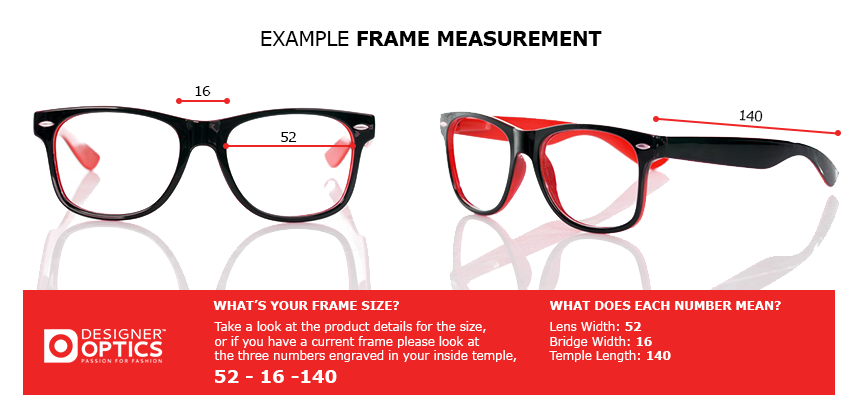
 Size Details
Frequently Asked Questions
Are the Ray-Ban Teru 4425F sunglasses prescription-ready?
What does bio-based mean for the Ray-Ban Teru sunglasses?
What face shapes work best with the Ray-Ban Teru RB4425F?
Do the Ray-Ban Teru sunglasses have UV protection?
What's the difference between the RB4425 and RB4425F models?
Are the Ray-Ban Teru sunglasses polarized?
Compare With Similar Frames
How the Ray-Ban Teru 4425F Sunglasses stacks up against the closest alternatives we carry.


- Standard bridge fit works for most face types
- Same bio-based materials and sustainability benefits
- Identical design and color options

- More understated rectangular shape
- Versatile styling for everyday wear
- Classic Ray-Ban heritage design

- Iconic wraparound rectangular design
- Larger lens coverage and protection
- Classic Ray-Ban model with proven popularity
Read the full comparison
Ray-Ban Teru 4425F vs Similar Rectangle Sunglasses
The Ray-Ban Teru RB4425F occupies a unique space in Ray-Ban's lineup—it's bold, sustainable, and unapologetically retro. But how does it compare to other rectangle frames in our collection?
Teru 4425F vs Teru 4425 (Standard Fit)
The most direct comparison is between the 4425F (low bridge fit) and the standard 4425. Both share identical design DNA: the same exaggerated rectangular shape, bio-based materials, and vibrant color options. The key difference is fit. The 4425F features modified nose bridge geometry designed for higher cheekbones and lower nose bridges—common in Asian face shapes but beneficial for anyone who finds standard frames sit too low or pinch. If you've struggled with Ray-Bans sliding down or leaving marks, the 4425F is worth the slight price premium. If standard frames fit you well, the 4425 offers the same look for less.
Teru 4425F vs Rectangle 1969
The Rectangle 1969 takes a more restrained approach to retro styling. Where the Teru goes wide and chunky with color-blocking, the 1969 offers a slimmer rectangular profile that works for both casual and dressier occasions. It's the safer choice if you want vintage vibes without the bold statement. However, it lacks the Teru's bio-based construction and won't turn heads the same way. Choose the 1969 if versatility matters more than making an entrance.
Teru 4425F vs Balorama 4089
The Balorama is Ray-Ban's wraparound rectangular icon, offering more coverage and a sportier edge than the Teru. It's been a staple since the '60s and delivers that classic oversized look. But the Balorama isn't bio-based, and its aesthetic leans more toward active lifestyle than fashion-forward. The Teru is the better pick if you want sustainable materials, a lower bridge fit, and a frame that feels more 2020s than throwback. The Balorama wins if you prioritize lens coverage and don't mind the higher price.
Our take: The Teru 4425F is the right choice if you want a bold, sustainable rectangle frame with a fit designed for lower bridges. It's Ray-Ban's most eco-conscious statement piece, and the color options are unmatched in this price range.
At a Glance
Ray-Ban Teru 4425 Sunglasses
Pros:
- Standard bridge fit works for most face types
- Same bio-based materials and sustainability benefits
- Identical design and color options
- Slightly lower price point ($111-$118 vs $118-$160)
Cons:
- May not fit as comfortably on lower nose bridges
- Not optimized for higher cheekbones
- Can slip down on certain face shapes
Ray-Ban Rectangle 1969 Sunglasses
Pros:
- More understated rectangular shape
- Versatile styling for everyday wear
- Classic Ray-Ban heritage design
- Available in multiple lens options
Cons:
- Less bold and statement-making than the Teru
- Not part of the bio-based sustainable collection
- Smaller frame may not suit those wanting oversized coverage
Ray-Ban Balorama 4089 Sunglasses
Pros:
- Iconic wraparound rectangular design
- Larger lens coverage and protection
- Classic Ray-Ban model with proven popularity
- More lens and color options available
Cons:
- Not bio-based or sustainable materials
- Different aesthetic—more sporty than fashion-forward
- Higher price range ($125-$263)