



Serengeti SS039001 Sunglasses
$179.69

You save 0%

Color

ADD PRESCRIPTION

Serengeti SS039001 Sunglasses

00 - Dark Tortoise Matte

  • BACKORDERED DUE TO BRAND TRANSITIONING

    Shipping information is provided by the manufacturer.

SO_8300_00
ADD PRESCRIPTION
ADD PRESCRIPTION
$179.69

You save 0%

Color

  • Free Shipping
    Free Shipping
  • Price Match
    Price Match
  • Easy Returns
    Easy Returns
  • Licensed Opticians
    Licensed Opticians
DESCRIPTION RATINGS & REVIEWS PRESCRIPTION GUIDE

The Serengeti Pistoia SS039001 sunglasses deliver the performance-driven lens technology Serengeti pioneered, wrapped in a lightweight TR-90 frame that works as well at the beach as it does behind the wheel. This is a rectangle frame built for larger faces, with a 64mm lens width and a sporty-meets-classic profile that doesn't try too hard.

Photochromic Mineral Lenses That Actually Adapt

Serengeti built its reputation on lenses, and the Pistoia shows why. Available with mineral polarized 555nm or Drivers lenses, both options combine three technologies: photochromic adaptation (the lenses darken in bright sun, lighten in shade), polarization to cut glare, and Spectral Control to filter blue light and enhance contrast. The mineral glass is borosilicate from Corning—20% thinner and lighter than standard glass, chemically tempered for scratch resistance, and optically superior to polymer lenses.

The 555nm lens is tuned to 555 nanometers, the wavelength where human eyes see best. It transmits more yellow and green light, creating a calming, high-definition view in very bright conditions—ideal for water, snow, or desert driving. The Drivers lens, Serengeti's original amber-tinted lens from 1985, amplifies reds, greens, and yellows for better depth perception and works across a wider range of light, from overcast mornings to full sun. Both are photochromic Category 2-3, adjusting transmission from roughly 16-25% (555nm) or 9-24% (Drivers) as UV intensity changes, and both block 88-96% of blue light.

Lightweight TR-90 Frame, Larger Fit

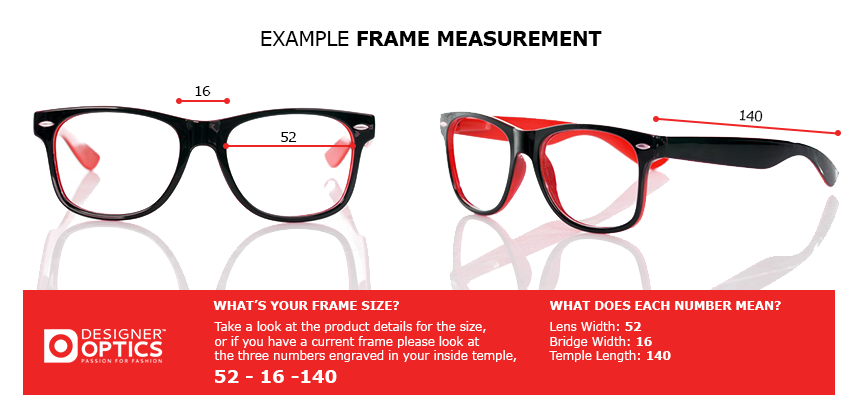
The frame is injection-molded TR-90 nylon—a lightweight, flexible material that holds its shape and survives daily wear. Spring hinges keep the temples secure without pressure. The Pistoia measures 64-17-130 (lens-bridge-temple), fitting medium-large to large heads comfortably. It's a full-rim design with a single bridge and a matte or shiny finish depending on the variant. The frame is prescription-ready, compatible with Serengeti's Rx program in both mineral glass and Trivex materials.

This is a go-anywhere frame: sporty enough for the trail, clean enough for the drive to work. If you want sunglasses that prioritize what you see over what others see, the Pistoia delivers.

Product DetailsProduct Details

Color DetailsColor Details

Size DetailsSize Details

Customer Reviews

Based on 2 reviews
50%
(1)
50%
(1)
0%
(0)
0%
(0)
0%
(0)
G
G BRADLEE GIBBS
Got the glasses as advertised and they are great.

The sunglasses arrived as advertised and were great. Order status and communications is adequate but would have liked confirmation of shipment, and confirmation of return item receipt.

J
John Haefele
Great Sunglasses

I did a lot of research prior to buying these and it was worth the effort. The price was the best on internet.

Frequently Asked Questions

Are Serengeti Pistoia sunglasses prescription-ready?

Yes, the Serengeti Pistoia SS039001 is fully prescription-ready. Serengeti offers prescription lenses in both mineral glass and Trivex materials through their Sun Rx program, supporting single vision and progressive prescriptions. Trivex lenses are up to 72% thinner and 45% lighter than traditional glass prescription lenses.

What is the difference between Serengeti 555nm and Drivers lenses?

The 555nm lens has a green-grey tint optimized for very bright conditions, transmitting more yellow and green light for a calming, natural view. The Drivers lens is amber-colored, enhances contrast and depth perception, and performs better in mixed light from overcast to bright sun. Both are photochromic and polarized, but the Drivers lens is more versatile across varying conditions while the 555nm excels in full sun.

What size fit is the Serengeti Pistoia?

The Pistoia has a 64-17-130 measurement (64mm lens width, 17mm bridge, 130mm temple length), designed for medium-large to large faces. It's specifically described as working perfectly for men with a larger fit, though it's technically a unisex frame.

Do Serengeti photochromic lenses darken behind a car windshield?

Serengeti photochromic lenses are activated by UV radiation. Most modern car windshields block UV, which reduces the photochromic darkening effect inside the car. However, the lenses will still provide polarization, glare reduction, and Spectral Control benefits. They darken fully when you step outside the vehicle.

Are Serengeti mineral lenses worth it for driving?

Yes. Serengeti is widely recognized as making some of the best sunglasses for driving, with their Drivers lens specifically engineered to enhance traffic light colors (red, yellow, green) and reduce eye fatigue. The photochromic technology adapts to changing light conditions like tunnels or tree-covered roads, and the mineral glass provides superior optical clarity compared to polycarbonate.

What is Serengeti Spectral Control technology?

Spectral Control is Serengeti's proprietary light management filter, fused into each mineral lens through a hydrogen-fueled furnace process. It selectively manages light wavelengths to block 88-96% of harmful blue light while enhancing reds, greens, and yellows. This improves contrast, reduces eye strain, and creates a more balanced, high-definition color perception in all conditions.

Compare With Similar Frames

How the Serengeti SS039001 Sunglasses stacks up against the closest alternatives we carry.

Read the full comparison

Serengeti Pistoia vs. Other Performance Sunglasses

If you're deciding between the Serengeti Pistoia SS039001 and similar performance sunglasses, the key difference comes down to lens technology and intended use.

Pistoia vs. Serengeti Winslow 2.0

Both frames share Serengeti's photochromic mineral lens technology, so you get the same adaptive lenses, polarization, and Spectral Control. The Winslow 2.0 has a more wraparound, athletic design that provides better side coverage for cycling, running, or water sports. The Pistoia is more versatile—it works for active use but also looks appropriate for everyday wear and driving. If you need one pair that does everything, the Pistoia is the better choice. If you want maximum coverage for outdoor sports, consider the Winslow.

Pistoia vs. Smith Dockside

Smith's ChromaPop lenses are excellent for color enhancement and clarity, but they don't adapt to changing light the way Serengeti's photochromic lenses do. The Pistoia's lenses darken in bright sun and lighten in shade automatically; the Smith Dockside lenses stay the same tint all day. For driving or activities where light conditions vary (hiking from forest to open trail, boating, long road trips), the Pistoia's adaptive lenses reduce eye strain and eliminate the need to swap sunglasses. Smith uses polycarbonate lenses, which are impact-resistant but don't match the optical clarity of Serengeti's mineral glass. If you prioritize the sharpest possible vision and automatic light adaptation, the Pistoia wins. If you want a lighter lens and don't need photochromic technology, the Smith is a solid alternative.

Bottom line: The Serengeti Pistoia is the best choice for drivers, anyone who spends extended time outdoors in varying light, and buyers who want mineral glass clarity with adaptive lenses. It's a do-everything frame that doesn't compromise on optics.

At a Glance

Serengeti SS751002 Sunglasses (Winslow 2.0)

Pros:

  • More wraparound coverage for active sports
  • Similar Serengeti lens technology
  • Comparable price point ($134-$164)

Cons:

  • Less versatile for casual/dress-up wear
  • May not fit as wide a range of face shapes
  • More overtly sporty aesthetic

Smith Dockside Sunglasses

Pros:

  • Smith ChromaPop lens technology
  • Modern styling
  • Strong brand reputation for outdoor performance

Cons:

  • Lenses are not photochromic (don't adapt to light)
  • Polycarbonate lenses vs. Serengeti's mineral glass clarity
  • Less heritage in driving-specific optics

Ask our AI

Ask Designer Optics