








 Product Details
 Color Details
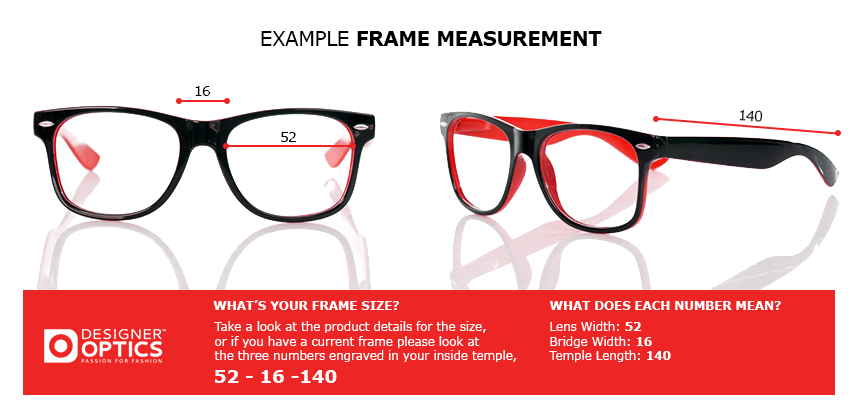
 Size Details
Frequently Asked Questions
Are Vera Bradley VBNaomi eyeglasses suitable for kids with active lifestyles?
What prescription types can the VBNaomi frames accommodate?
What size child do the VBNaomi frames fit?
What lens material is recommended for kids' eyeglasses?
Does purchasing Vera Bradley eyewear support any charitable causes?
Are the Vera Bradley patterns on the VBNaomi frames durable?
Compare With Similar Frames
How the Vera Bradley VB Naomi Eyeglasses stacks up against the closest alternatives we carry.


- Square shape adds structure for rounder face shapes
- Same acetate construction and Vera Bradley pattern quality
- Similar price point and prescription compatibility

- Square shape works well for kids with rounder faces
- Same quality acetate and signature Vera Bradley patterns
- Full-rim durability for active wear

- Oval shape like VBNaomi but with metal accents
- Mixed materials may offer different aesthetic appeal
- Similar price range and prescription compatibility
Read the full comparison
Vera Bradley VBNaomi vs. Other Vera Bradley Kids' Frames
Parents shopping for Vera Bradley kids' eyeglasses often compare the VBNaomi oval frames against the brand's square-shaped options. Here's how they stack up:
VBNaomi (Oval) vs. VBKatie (Square)
The VBNaomi's oval shape is more universally flattering across different face shapes—it works well for most kids without overwhelming their features. The VBKatie's square shape adds structure and definition, which can be ideal for children with rounder faces who want frames that create contrast. Both use the same quality acetate construction and feature Vera Bradley's signature temple patterns, so durability and style quality are equivalent. Price-wise, they're nearly identical ($78.40 for VBNaomi vs. $73.54-$78.40 for VBKatie).
If your child has balanced or slightly rounded features, the VBNaomi oval is the safer choice. If they have a rounder face and you want frames that add angles, consider the VBKatie square.
VBNaomi vs. VBMeadow (Square)
The VBMeadow is another square option that's slightly pricier ($78.40-$94.70). Like the VBKatie comparison, the choice comes down to face shape and style preference. The VBNaomi's oval shape is softer and more playful, while the VBMeadow's square geometry reads as more structured. Both are full-rim acetate frames that handle prescriptions equally well.
VBNaomi vs. VBLuna (Oval Metal/Plastic Mix)
The VBLuna shares the oval shape with the VBNaomi but uses a combination of metal and plastic materials. The VBNaomi's all-acetate construction is lighter and may be more forgiving for very active kids who are rough on their glasses. The VBLuna's metal accents offer a slightly more refined look but require more careful handling. If durability is your top priority, the VBNaomi's full acetate wins.
Our recommendation: The Vera Bradley VBNaomi is the most versatile choice for parents who want a frame that works across different face shapes, offers proven acetate durability, and brings Vera Bradley's fun patterns without being too bold. It's prescription-ready, supports all standard lens options, and contributes to breast cancer research with every purchase.
At a Glance
Vera Bradley VBKatie Eyeglasses
Pros:
- Square shape adds structure for rounder face shapes
- Same acetate construction and Vera Bradley pattern quality
- Similar price point and prescription compatibility
Cons:
- Square frames may feel more angular for some kids
- Less versatile across different face shapes than oval
- May appear more mature/less playful than the softer oval shape
Vera Bradley VBMeadow Eyeglasses
Pros:
- Square shape works well for kids with rounder faces
- Same quality acetate and signature Vera Bradley patterns
- Full-rim durability for active wear
Cons:
- Square shape less universally flattering than oval
- Slightly higher price range
- More structured look may not suit all style preferences
Vera Bradley VBLuna Eyeglasses
Pros:
- Oval shape like VBNaomi but with metal accents
- Mixed materials may offer different aesthetic appeal
- Similar price range and prescription compatibility
Cons:
- Metal components may be less durable than full acetate for very active kids
- Mixed materials can be slightly heavier
- May require more careful handling than all-acetate frames