








 Product Details
 Color Details
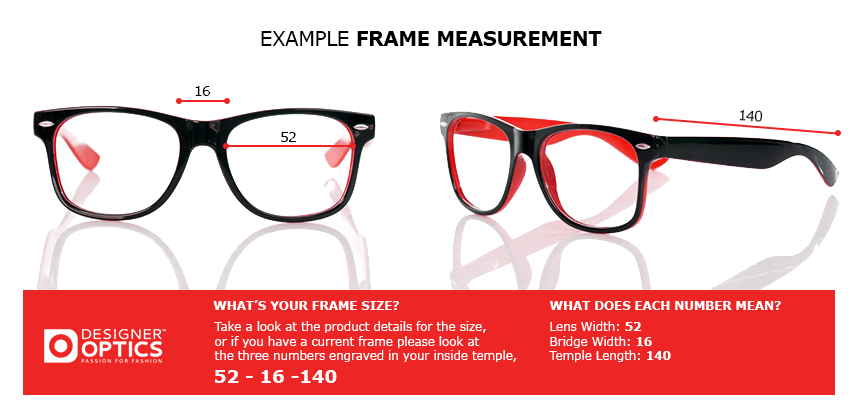
 Size Details
Frequently Asked Questions
What is the difference between Oakley Radar EV Pitch and Path?
Are Oakley Radar EV Pitch sunglasses prescription-ready?
What is Oakley Prizm Field lens technology?
Can I swap lenses on the Oakley Radar EV Pitch?
What is O Matter frame material and is it durable?
Do Oakley Radar EV Pitch sunglasses provide UV protection?
Compare With Similar Frames
How the Oakley Radar Ev Pitch 9211 Sunglasses stacks up against the closest alternatives we carry.


- Smaller lens profile hugs closer to cheekbones for a more streamlined look
- Curved bottom edge provides excellent fit for medium-sized faces
- Slightly lighter feel due to less lens material

- Switchlock technology allows even faster lens changes
- Proven second-generation design with years of athlete feedback
- Available in both Path and Pitch lens cuts
Read the full comparison
Oakley Radar EV Pitch vs. Path: Which Lens Cut Is Right for You?
The most common question Radar EV buyers ask: Pitch or Path? Both use the identical frame and offer the same lens technologies, so the decision comes down to coverage and fit.
The Radar EV Pitch 9211 features a larger lens with a straighter, more angular bottom edge. This provides extra coverage below the eye and more cheek clearance, making it ideal for athletes with larger faces or anyone who wants maximum protection. The Pitch lens is about 2mm taller than the Path (46mm vs. 44mm lens height), and that extra real estate translates to better lower peripheral vision when you're looking down at the ground or tracking low balls.
The Radar EV Path 9208, by contrast, has a bottom edge that curves upward near the cheeks, creating a more compact, streamlined profile. It hugs closer to the face and works well for medium-sized faces or athletes who prefer a less prominent look. Cyclists often favor the Path for its close fit and reduced wind resistance.
Both lenses are interchangeable within the same Radar EV frame, so if you're unsure, you can always buy replacement lenses in the other cut later. For baseball players and those who prioritize maximum coverage, the Pitch is the go-to choice. For road cyclists and runners who want a sleeker fit, the Path is hard to beat.
Radar EV vs. Radarlock: Extended Vision or Quick-Change Convenience?
The Radarlock Path 9206 is the second-generation Radar, featuring Oakley's Switchlock lens-change system that lets you swap lenses with a single press and release. It's fast, tool-free, and beloved by athletes who change lenses frequently between training and competition.
The trade-off? The Radarlock has a shorter lens height—you lose the "EV" (Extended Vision) benefit that makes the Radar EV Pitch so popular. The EV's taller lens expands your upper peripheral field of view, which is especially valuable when you're in an aggressive riding position, looking up at fly balls, or scanning terrain ahead. The Radar EV also has a more angular, modern brow design compared to the Radarlock's curved sweep.
If you prioritize maximum field of view and a contemporary look, the Radar EV Pitch is the clear winner. If you swap lenses daily and want the fastest change system on the market, the Radarlock is worth considering—just know you're giving up some vertical coverage.
At a Glance
Oakley Radar EV Path 9208 Sunglasses
Pros:
- Smaller lens profile hugs closer to cheekbones for a more streamlined look
- Curved bottom edge provides excellent fit for medium-sized faces
- Slightly lighter feel due to less lens material
- Same frame, lens technology, and interchangeability as Pitch
Cons:
- Less coverage at the bottom of the lens compared to Pitch
- May not provide enough cheek clearance for larger faces
- Smaller field of view in the lower peripheral region
Oakley Radarlock Path 9206 Sunglasses
Pros:
- Switchlock technology allows even faster lens changes
- Proven second-generation design with years of athlete feedback
- Available in both Path and Pitch lens cuts
- Often available at lower price points
Cons:
- Shorter lens height—less extended vision in upper peripheral
- Slightly different brow geometry (curved vs. angular)
- Heavier overall due to Switchlock mechanism