












 Product Details
 Color Details
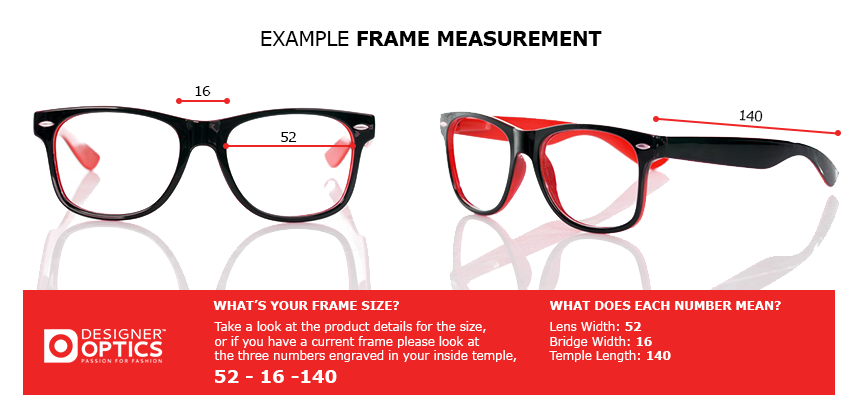
 Size Details
Frequently Asked Questions
Are the Smith Pacer eyeglasses prescription-ready?
What is the Evolve frame material made from?
How do the QuickFit temples work on the Pacer frames?
What size are the Smith Pacer eyeglasses?
Can I add blue light filtering or photochromic lenses to the Pacer?
Are the Smith Pacer frames suitable for active wear?
Compare With Similar Frames
How the Smith Optics Prescription Eyeglass Prescription Eyeglasses 109204 Pacer Eyeglasses stacks up against the closest alternatives we carry.


- Larger coverage for bigger faces or those who prefer oversized frames
- Retro-inspired rectangular shape offers a different aesthetic
- Same premium features (Evolve material, QuickFit temples, AutoLock hinges)

- Pilot-inspired aviator shape for a different look
- Integrated side shields provide extra peripheral light protection
- Better for outdoor sports and high-glare environments

- Classic round shape for a vintage, softer look
- Medium-to-large fit balances timeless design with wearability
- Same eco-friendly Evolve material and adjustable QuickFit temples
Read the full comparison
Smith Pacer vs. Overland vs. Seeker: Which RX Frame Is Right for You?
All three models share Smith's core prescription eyewear technology—bio-based Evolve frames, QuickFit adjustable temples, Megol non-slip grips, and premium anti-reflective lens coatings—at the same $154 price point. The difference comes down to frame shape and intended use.
Choose the Pacer if you want the most versatile option. The classic square shape flatters most face shapes and transitions easily from office to outdoor activities. It's the middle ground between the Overland's retro vibe and the Seeker's sport focus.
Choose the Overland if you prefer larger, retro-inspired rectangular frames with more coverage. The Overland works well for larger faces or anyone who likes an oversized, vintage aesthetic. Same features as the Pacer, just a different silhouette.
Choose the Seeker if you spend significant time outdoors or in high-glare environments. The pilot-inspired aviator shape with integrated side shields provides extra peripheral light protection, making it ideal for trail running, cycling, or fishing. It's the sportiest of the three but less versatile for professional settings.
All three frames accept single vision and progressive prescriptions, and all offer optional photochromic and blue light filtering lens upgrades. You can't go wrong with any of them—it's purely a matter of which shape fits your face and lifestyle best.
At a Glance
Smith Optics 109206 Overland RX Eyeglasses
Pros:
- Larger coverage for bigger faces or those who prefer oversized frames
- Retro-inspired rectangular shape offers a different aesthetic
- Same premium features (Evolve material, QuickFit temples, AutoLock hinges)
Cons:
- Larger fit may overwhelm smaller faces
- Less versatile styling than the Pacer's square shape
- Same price but no performance advantage
Smith Optics 109205 Seeker RX Eyeglasses
Pros:
- Pilot-inspired aviator shape for a different look
- Integrated side shields provide extra peripheral light protection
- Better for outdoor sports and high-glare environments
Cons:
- Aviator shape is less versatile for professional settings
- Side shields may feel bulkier for everyday office wear
- Not as universally flattering as the Pacer's square shape
Smith Optics 110089 Cirque RX Eyeglasses
Pros:
- Classic round shape for a vintage, softer look
- Medium-to-large fit balances timeless design with wearability
- Same eco-friendly Evolve material and adjustable QuickFit temples
Cons:
- Round shape doesn't suit all face shapes as well as square frames
- Less sporty aesthetic than the Pacer
- May read as more casual/less professional depending on workplace